If you’ve just been invited to your first Indian wedding, congratulations, you’re in for one of the most joyful, colorful, and genuinely memorable celebrations you’ll ever attend! Indian destination weddings are multi-day events filled with music, dancing, food, and centuries of tradition, and the families behind them treat every guest like an honored part of the celebration.
For first-time guests, that scale and richness can also feel a little intimidating. What do you wear? When do you arrive? Is it okay to dance? What about gifts? The short answer is that Indian wedding hosts are gracious and forgiving, and showing up with curiosity and respect goes a long way. The longer answer, the one that helps you actually feel comfortable across multiple days of celebrating, is what this guide is for.
Below you’ll find everything you need to know about Indian wedding guest etiquette, including what to wear, how to behave at each event, gift conventions, and a dedicated section for couples attending an Indian destination wedding in Mexico, the Caribbean, or beyond.
What to Expect at an Indian Wedding
Indian weddings are not single-day events. A traditional Hindu wedding typically unfolds across three to seven days of pre-wedding, wedding day, and post-wedding ceremonies, each with its own dress code, mood, and rituals. Sikh, Muslim, and Jain weddings have their own structures, but the multi-day, deeply hospitable spirit is consistent across South Asian traditions.
A few things to expect across the celebration:
- Generous guest lists. 200 to 500+ guests is normal; larger weddings can host 800 or more.
- Abundant food. Vegetarian options are always available (often most of the menu), and refusing food is generally considered rude. Pace yourself.
- Music and dancing. Most events have a soundtrack, and many include choreographed family dances. You’ll be invited to join in.
- Flexible schedules. Indian weddings often start later than the printed time. Arrive on time, but don’t be surprised if events flow into each other.
- Genuine hospitality. Hosts will ask repeatedly if you’re comfortable, fed, and having fun. Accept the warmth, it’s the heart of the tradition.
If you want a deeper introduction to the rituals themselves, our guide to what to expect at an Indian wedding walks through each ceremony in detail.
What to Wear to an Indian Wedding
Indian weddings are colorful, ornate, and visually celebratory. Your outfit should match that energy. Each event in the multi-day celebration has its own dress expectations, but a few general rules apply across the board.
For Women
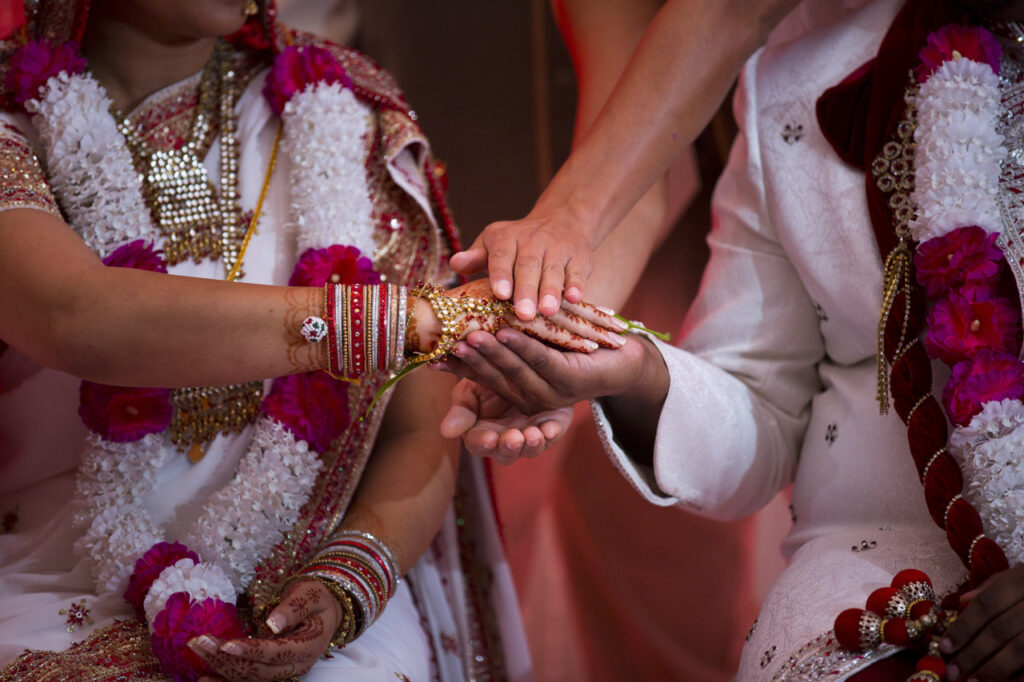
Vibrant colors are the default. Reds, fuchsias, golds, oranges, jewel-tone blues, and deep greens are all welcome and celebrated. Avoid white (associated with mourning in Hindu tradition) and avoid pure black (also considered inappropriate for the celebration). Avoid red on the wedding day itself, since the bride traditionally wears red.
If you’d like to wear traditional attire, a sari (a draped silk garment, often heavily embroidered for weddings), a lehenga (a long embroidered skirt with a fitted top and dupatta scarf), or an Anarkali suit (a long flowing tunic with a fitted bodice) is welcome, and your hosts will likely be delighted. If you’d prefer Western dress, opt for a long, modest formal dress in a vibrant color with embellishment. Cover shoulders for ceremonies (especially Hindu and Sikh religious portions). For pre-wedding events like the Mehndi or Sangeet, lighter and more playful attire works well.
For Men
A kurta (a long, loose collared tunic worn over loose pants) or sherwani (a long, embroidered formal coat worn over fitted pants, traditionally for grooms and male guests at Hindu and Sikh weddings) is welcome and increasingly popular among non-Indian guests, particularly for the wedding day itself. Otherwise, a suit and tie or formal Western dress shirt works well, again in lighter or richer colors rather than basic black or charcoal.
For ceremonies, you may be asked to cover your head (a handkerchief or scarf works for Hindu and Sikh ceremonies; some Sikh gurdwaras (places of worship) provide head coverings). Wear comfortable shoes you can slip off easily; shoes typically come off before entering ceremony spaces or temples.
What to Avoid
- All-white outfits. White symbolizes mourning in Hindu tradition.
- All-black outfits. Black is considered inappropriate for celebratory occasions.
- Red on the wedding day. Reserved for the bride.
- Anything too revealing. Modesty matters at religious ceremonies.
- Leather accessories at certain events. Some Hindu and Jain hosts prefer guests avoid leather. If unsure, ask the couple.
Etiquette by Event Type
Each event in the multi-day celebration has its own rhythm. Here’s how to navigate the ones you’re most likely to attend.
Pre-Wedding Events: Mehndi, Sangeet, and Haldi
Pre-wedding events are joyful, casual, and full of music and dancing. The Mehndi is a henna ceremony where the bride and female guests have intricate designs applied to their hands and feet. Guests can join in, stick around for henna of their own if it’s offered. The Sangeet is a music and dance party where families often perform choreographed numbers; expect to be pulled onto the dance floor. The Haldi is a turmeric paste application ritual that’s playful and messy; wear something you don’t mind getting stained yellow.
For all three, lighter and more colorful attire works best. Energy is high, photos are constant, and guests are encouraged to participate.
The Wedding Ceremony
The wedding ceremony itself is the most solemn portion of the multi-day celebration. Hindu ceremonies often take place under a mandap (canopy) and include sacred fire rituals, Sanskrit mantras, and the saat phere (seven circles around the fire). Sikh ceremonies happen at a gurdwara or wedding venue with hymns from the Guru Granth Sahib. Muslim Nikahs are typically shorter and focus on the marriage contract.
A few etiquette notes for the ceremony itself:
- Arrive on time and stay through the rituals, even if they run long.
- Follow the family’s lead on when to stand, sit, or photograph.
- Avoid using flash photography during sacred fire portions.
- Remove shoes when asked, especially at gurdwaras and temple-style mandaps.
- Cover your head if requested during religious portions.
The Reception
The reception is a full-energy celebration with dinner, drinks, dancing, and speeches. Expect it to run later than American receptions, often past midnight. Eat well, dance often, and stay engaged with the families. The dance floor is for everyone, regardless of skill level.
Gift Etiquette
Indian wedding gift conventions differ from Western traditions. Here’s the short version:
- Cash is the norm. Physical gifts and registries are uncommon.
- Round numbers ending in 1 are considered auspicious. Common amounts: $101, $151, $251, $501. The trailing “1” symbolizes a new beginning.
- Present cash in a card or envelope, often called a “shagun” envelope, and hand it to a family member upon arrival or place it on a designated gift table.
- Amount typically scales with the relationship. Close friends and family give more; acquaintances and plus-ones can give modest amounts.
If you genuinely prefer to give a physical gift, choose something thoughtful and meaningful (jewelry, household items, items with cultural relevance). When in doubt, cash is always welcome and easier on the couple.

Cultural Sensitivities and Things to Avoid
A few things to keep in mind so you show up as the kind of guest your hosts will rave about:
- Don’t refuse food, or at least take a small portion. Refusing is considered impolite.
- Skip beef as a gift or topic. Cows are sacred in Hindu tradition.
- Don’t photograph the sacred fire portions of Hindu ceremonies without permission.
- Be patient with timing. Indian Standard Time is real; events often start later than scheduled.
- Show interest in the traditions. Asking about a ritual you don’t recognize is welcome and often appreciated.
- Tip generously where appropriate. Especially when staff and vendors go above and beyond.
Etiquette for an Indian Destination Wedding
When the wedding is also a tropical getaway, a few additional considerations come into play. Indian destination weddings in Mexico, the Caribbean, or beyond are increasingly popular, and they layer travel logistics on top of the cultural ones.
Travel and Passport Prep
Apply for or renew your passport at least 4 to 6 months in advance, well before the wedding. Many countries require at least six months of remaining passport validity past your travel date. Check whether the destination requires a tourist visa for your nationality. Travel insurance is worth considering, especially for hurricane-season Caribbean dates.
What to Pack
A destination wedding usually means a hotter, more humid climate than typical Indian weddings in the U.S. and Canada. Pack breathable, lightweight fabrics that still hold up to formal attire expectations: cotton, georgette, and chiffon saris and lehengas travel well. Avoid heavily beaded outfits if possible (or pack them in carry-on so they don’t get crushed). Bring:
- Multiple outfits for different events (one or two per day if attending all multi-day celebrations).
- Comfortable sandals for ceremony venues that may be on sand or grass.
- A travel steamer or ask the hotel housekeeping in advance about pressing services.
- Sunscreen, bug spray, and a lightweight wrap or pashmina for evening events with breezes.
Resort Logistics
Most Indian destination weddings happen at all inclusive resorts that the couple has booked through a Certified Destination Wedding Specialist. Book your room through the couple’s room block when possible; it usually nets you better rates and helps the couple meet group thresholds for free wedding perks. Multi-day events at a resort typically flow across the property: ceremonies on the beach or in a garden venue, receptions in a ballroom or oceanfront terrace, and after-parties at the resort’s bars or lounges.
Gift-Giving from Abroad
Cash envelopes work even better for destination weddings; they’re easy to travel with and easy for the couple to manage on-site. If you’d like to add a thoughtful touch, a small destination-appropriate gift (a beautiful card from your home city, a meaningful keepsake) is welcome but never required.
Photo and Social Media Etiquette
Coordinate with the couple on their wedding hashtag and use it for posts. Avoid posting photos of religious ceremonies without permission. If the couple has hired a wedding content creator or photographer, let them get the angles first, then take your own. Many destination weddings have unique resort backdrops, so geotagging the resort can be a nice touch (or skip it if the couple prefers privacy).

Indian Destination Wedding FAQs
What if I don’t know how to dance?
It doesn’t matter. Indian wedding dance floors welcome every skill level, and most family members will pull you in regardless. Watch the choreography, follow along loosely, and have fun. Bollywood beats are forgiving.
How long do Indian weddings last?
The full multi-day celebration typically runs three to seven days. The wedding ceremony itself can be one to three hours; the reception runs four to six hours and often goes past midnight. Plan to dedicate a full long weekend at minimum, and a full week if it’s a destination wedding.
Can I bring a plus one?
Only if your invitation specifically includes one. Indian wedding guest lists are carefully managed, and adding an unconfirmed plus one creates real logistical strain. If you’re not sure, ask the couple directly before assuming.
Should I learn any Hindi or Punjabi phrases?
It’s not required, but a few phrases go a long way. “Namaste” (hello/respectful greeting), “Dhanyavaad” (thank you in Hindi), or “Shukriya” (thank you in Urdu/Punjabi) are appreciated. The families speak excellent English and won’t expect you to know more.
Is it okay to leave between events?
Yes, especially for the longer ceremony portions if you have young children or other obligations. Most couples expect guests to attend the major events (the wedding ceremony, the reception, and at least one of the pre-wedding events), but understand that not everyone will attend every single celebration in a 5-day wedding week.
Plan Your Indian Destination Wedding Today
If you’re the one planning the wedding (rather than just attending), our team has decades of experience coordinating Indian and South Asian destination weddings across Mexico, the Caribbean, and beyond. From multi-day mandap ceremonies on the beach to full Sangeet receptions at all inclusive resorts, our Certified Destination Wedding Specialists match couples with resorts that genuinely understand South Asian cultural requirements, including dietary needs, ceremony spaces, and the logistical realities of hosting 200+ guests overseas.
Fill out our online wedding planning form and let’s start designing the celebration you’ve been picturing! Whether you’re attending a wedding or planning one, we’re here to help make every detail beautiful.

About the Author

Maggie Sabin
Maggie started as the SEO Manager at DestinationWeddings.com in 2024, where she works to drive organic traffic and conversions while creating meaningful, SEO-optimized content for the website. Previously, Maggie's career spanned from Human Resources & Recruitment to teaching at international schools for almost 10 years. Maggie spends her free time traveling, learning new languages, reading non-fiction books, working out, going to the beach and spending time cuddling her dog, Lola!