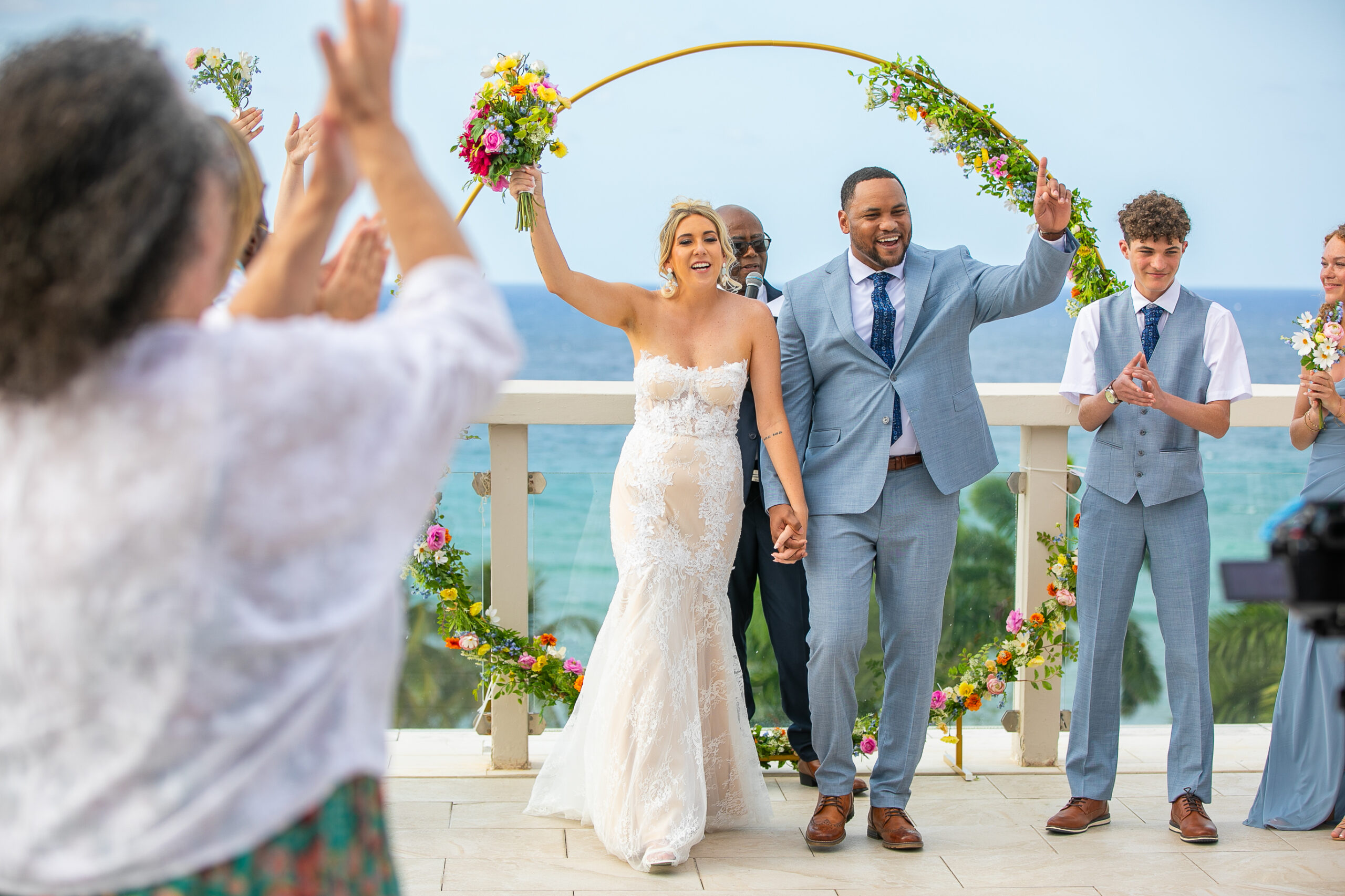


There’s an old assumption that the groom’s job is to show up in a good suit and stand where he’s told. It was never really true, and at a destination wedding it falls apart completely, because this kind of wedding has more moving parts than a wedding at home and none of them sort themselves out.
The good news is that most of what needs doing is genuinely interesting. Excursions, the legal paperwork, getting a dozen groomsmen onto the right flights, a speech worth listening to. These are real jobs with real deadlines, and taking them off your partner’s plate is the single most useful thing you can do between the engagement and the wedding.
Here’s what’s traditionally yours, what’s worth claiming even if nobody hands it to you, and the handful of moments where you need to be the one stepping forward.

What Grooms Traditionally Handle
Tradition isn’t binding, but it’s a useful starting list when you’re trying to work out where to be useful. These are the pieces that have historically sat with the groom, and most of them still do.
The rings. Your groomsmen and everything they need to turn up correctly dressed. Your own attire. The officiant, including the honorarium if there is one. The honeymoon, which at a destination wedding often means simply extending the stay or moving to a second property. Transportation on the day. Your speech. And in a lot of couples, the vendor tips, which is worth reading up on because tipping abroad works differently than it does at home.
Historically, the groom’s family also hosted the rehearsal dinner. At a destination wedding, that frequently becomes the welcome party instead, since everyone has traveled and a separate small dinner starts to feel like a lot. If your parents have offered to contribute, this is the single easiest thing to hand them.
Treat that as a floor rather than a ceiling. The couples who find the planning easiest are the ones who split it by who actually wants to do what, not by who’s traditionally supposed to.
Choosing Your Groomsmen

Brothers and your partner’s brothers are the conventional starting point, but nothing says you have to. Pick the friendships that have genuinely lasted.
What is different abroad is that you’re asking for considerably more than a day. You’re asking someone to book flights, take time off, pay for a room and commit months in advance. Ask early, be direct about what the trip is likely to cost, and make it easy for someone to say no without it being awkward. A friend who can’t afford it will not tell you that unless you give them room to.
Once they’re in, you’re the point of contact for all of them. Flight details, what to pack, when to be where, what the dress code actually means. Do that job properly and your partner never has to chase a single one of them, which is the entire point.
Attire That Survives the Heat

A full wool suit on a beach in August is a genuinely bad time, and it shows in the photographs.
Go for linen, cotton, seersucker, or a lightweight tropical wool. Avoid anything heavy and avoid polyester entirely, because it doesn’t breathe and it photographs with a sheen. An unstructured or half-lined jacket makes a real difference, and plenty of grooms skip the jacket after the ceremony. Lose the tie if the setting is casual enough, and think about what your shoes will do in sand before you buy them.
If you’ve chosen colors, pull them through the ties, pocket squares, or socks rather than the suit itself. It’s easier to coordinate across a group that way, and it’s far easier to replace one tie than one jacket.
The practical part nobody mentions: carry it on. Do not check your wedding clothes. Ask the resort about steaming when you book, not when you arrive, and tell your groomsmen to do the same. A suit that spent two days folded in a case needs a day hanging in a bathroom before anyone photographs it.
The Legal Paperwork
This is the job most worth claiming, because it’s detail work with hard deadlines and it’s the part that can genuinely derail a wedding if somebody leaves it late.
Requirements vary enormously by country. Some ask for a minimum number of days in the country before the ceremony, some want birth certificates translated and apostilled, some require notarized affidavits confirming you’re both free to marry, and anyone previously married will need a divorce decree or a death certificate. Passports need enough validity left on them, which catches people out more often than you’d think.
There’s also a decision to make early: marry legally at your destination, or handle the legal part at home and hold a symbolic ceremony abroad. Plenty of couples choose the second because it removes the paperwork risk entirely, and nobody at the wedding can tell the difference.
Get the list from your Certified Destination Wedding Specialist as soon as you’ve picked the country, then work backwards from the date. Apostilles in particular can take weeks, and they’re not something you can rush at the end.
Planning the Excursions

Still the best job on the list, and the one grooms most reliably enjoy.
Your guests have flown a long way and they’ve got days to fill. A catamaran afternoon, a snorkeling trip, a round of golf, a day at the ruins or the falls: one or two organized outings turn a group of people who barely know each other into a group that’s comfortable by the wedding day. It does more for the atmosphere than almost anything else you can arrange.
A few things worth getting right. Book it far enough ahead that the group size is actually available. Keep it optional and say so, because not everyone can afford every extra. Don’t schedule anything strenuous for the day before the wedding, and keep whatever you plan for the groomsmen well clear of the ceremony. And check what the resort already runs, since a lot of this may be included in what your guests have paid for.

When to Step Up
Beyond the assigned jobs, there are specific moments where the planning gets heavy and it matters who carries it. These are the ones that come up again and again.
When your side of the family has opinions. Your relatives are your conversation. Every one of them. Your partner should never be the person explaining to your aunt why there are no children at the reception.
When money comes up with your parents. If your family is contributing, you handle that discussion and you bring back a number. Nobody should be negotiating with their in-laws about budget.
When the RSVPs come back lower than you hoped. It happens at almost every destination wedding and it stings. This is a moment to be steady about it rather than disappointed out loud, because the people who can’t come usually can’t afford to, and they already feel bad.
The week of. Transfers, welcome bags, who’s landing when, who needs collecting. Own the logistics completely so your partner can spend the week being a person rather than a coordinator.
The day itself. Something will go sideways. Weather, a late flight, a vendor running behind. Your job is to find out and deal with it quietly, and for your partner to hear about it afterwards. Our guide to the most common planning mistakes covers what tends to go wrong and how far ahead you can head it off.
Gifts and the Registry

Registries work perfectly well for a destination wedding. Plenty of people who can’t make the trip still want to send something, and a registry gives them somewhere obvious to go.
Have an actual opinion when you build it. It’s your home too, and a registry assembled by one person tends to show it. Worth remembering that anything physical has to get home, so a lot of couples skip the bulky items in favor of a honeymoon fund or experiences.
On a gift for your partner: a letter on the morning of the wedding beats almost anything you can buy. If you do want something tangible, keep it small enough to travel and give it to someone else to carry, because you will forget it otherwise.
Your Speech
Write it weeks ahead, not on the flight.
Three to five minutes is plenty. Thank the people who crossed an ocean to be there, and mean it, because at a destination wedding that’s genuinely the thing everyone in the room has in common. Name the parents. Say something specific about your partner rather than something general, and have one line you’ve actually practiced out loud.
Keep a copy on your phone and a copy on paper, and give the paper one to your best man. Outdoor receptions and ocean breeze have ruined more speeches than nerves ever have.

Groom’s Destination Wedding Planning FAQs
What is the groom responsible for at a destination wedding?
Traditionally the rings, the groomsmen, their own attire, the officiant, transportation, the honeymoon and the speech, with vendor tips often falling to them as well. Abroad, there’s usually a larger share of logistics on top, since flights, transfers and paperwork all need somebody managing them.
What should a groom wear to a beach wedding?
Linen, cotton, seersucker or a lightweight tropical wool, ideally in an unstructured or half-lined jacket. Skip heavy wool and anything polyester, since neither breathes and polyester photographs with a sheen. Think about how the shoes will handle sand before buying them.
Who plans the excursions at a destination wedding?
It’s commonly the groom, and it’s one of the better jobs on the list. One or two optional group outings early in the week get guests comfortable with each other well before the ceremony, which changes the feel of the wedding day itself.
How far in advance should a groom start planning?
Most couples give themselves 10 to 18 months, and the legal paperwork should start as soon as the country is chosen. Apostilles and document translations can take weeks, so that’s the piece to begin early rather than the attire or the excursions.
Does the groom’s family still pay for the rehearsal dinner?
Some still do, though at a destination wedding the rehearsal dinner often merges into a welcome party for everyone who traveled. The rule that matters is that whoever sends the invitation is the host, so settle who’s hosting before anyone books anything.
Should you get legally married at home or at your destination?
Both work. Marrying legally abroad means meeting that country’s requirements, which can include residency periods and translated documents. Marrying at home beforehand and holding a symbolic ceremony removes all of that, and no guest can tell the difference on the day.
Ready to Start Planning Your Celebration?
None of this is complicated once it’s divided up. Claim the pieces you’ll enjoy, take the paperwork seriously, and be the one who handles the week-of chaos so the person you’re marrying doesn’t have to.
Fill out our online wedding planning form, and one of our Certified Destination Wedding Specialists will walk you both through the paperwork, the timeline and everything in between!

About the Author

Maggie Sabin
Maggie has always loved traveling and discovering new places and cultures. Before joining DestinationWeddings.com as SEO Manager in 2024, she spent nearly a decade teaching at international schools across Europe and Asia, from the UK and Spain to Taiwan. Today, she creates and manages all of the blog's content, making sure couples can easily find the answers and inspiration they need to plan their destination wedding with confidence. When she's not working, you'll find Maggie learning a new language, curled up with a good book, working out, or soaking up the sun at the beach. She's happiest at home snuggling with her dogs, Lola and Minnie.