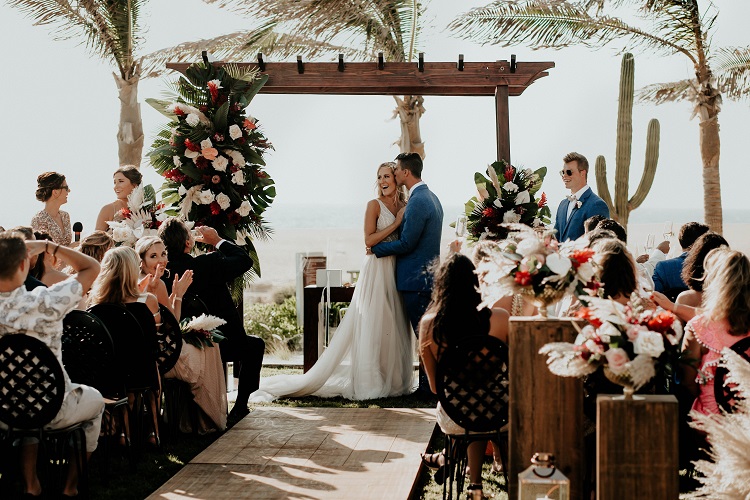

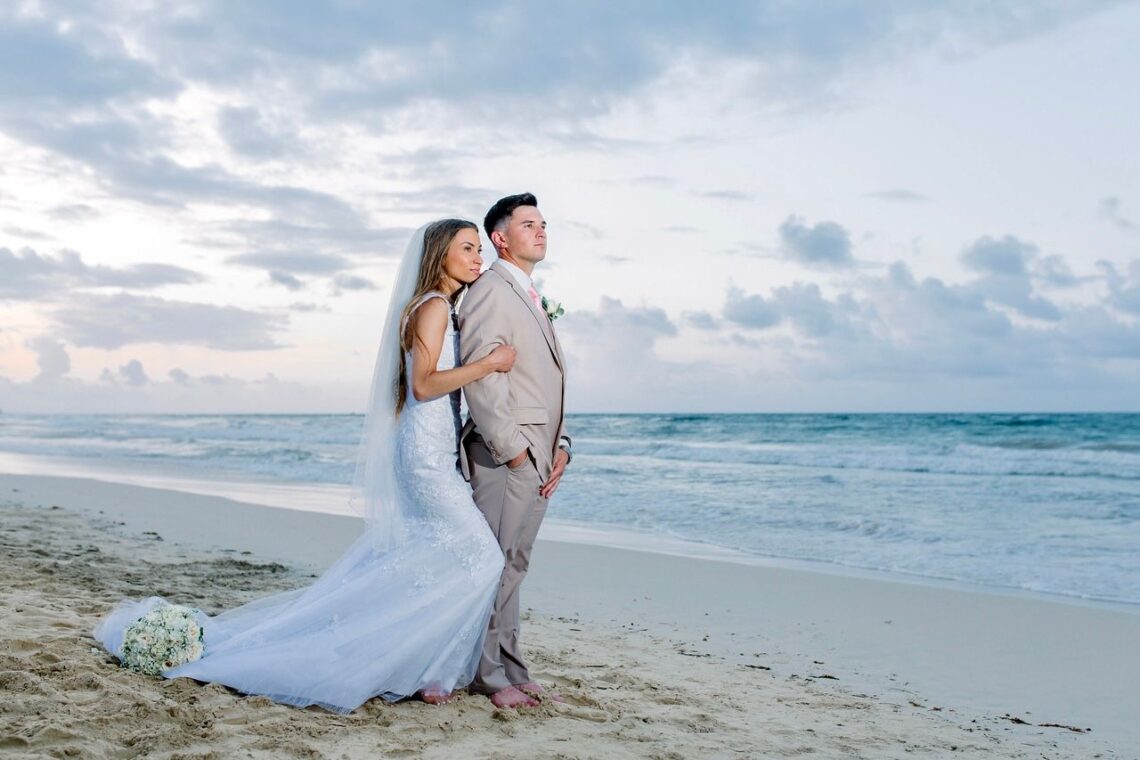
You’ve decided. You’re having a destination wedding. You know where, roughly when, and you’re genuinely excited. And somewhere underneath that excitement is a low hum of dread about telling your parents.
This conversation carries more weight than it should, because for a lot of families it’s the first real sign that the wedding isn’t going to look like the one they’d pictured. Handled poorly, it turns into months of low-grade tension. Handled well, it’s a slightly awkward twenty minutes, and then everyone starts looking at flights.
The difference is almost entirely down to who you tell, when you tell them, and what you have ready when you do. Our Certified Destination Wedding Specialists watch couples navigate this constantly, and the ones who do it smoothly all do roughly the same things.
Tell the Right People First, Privately
Before you post anything, before you tell the group chat, there’s a small list of people who should hear it from you directly and one at a time. Usually that’s parents on both sides, siblings, and anyone you’d genuinely be upset to get married without.
The reason is simple. Finding out alongside forty other people that they’re expected to spend a few thousand dollars and take a week off work is a bad way to hear it. People react to surprise, not to the plan, and a private conversation gives them room to have the first reaction and then the second one.
Our Certified Destination Wedding Specialists list getting close family and friends on board early as one of the things that most reliably separates a smooth planning year from a difficult one. It isn’t about asking permission. It’s about giving the people who’ll be most affected a chance to catch up before the news becomes public and their reaction becomes a performance.
Choose the Moment Deliberately
Not at Christmas dinner. Not at a birthday, a graduation, or anyone else’s celebration. Not in the middle of a family crisis, and not over text.
A quiet weekday evening with no audience and no time pressure is the right setting. If your family is spread out, a video call beats a phone call, and both beat a message. You want to be able to see how it’s landing so you can respond to what’s actually happening rather than to the silence.
Tell Them Before You Book, Not After
This one matters more than people expect. There’s a meaningful difference between “we’re planning to get married in Mexico next spring” and “we’ve booked our wedding in Mexico next spring.”
The first invites people in. The second informs them of a decision, and even if the decision would have been identical either way, being told rather than included is what most family friction actually grows from. You don’t have to put it to a vote. Just have the conversation while it’s still a plan.

What to Actually Say
Three things, in this order. Lead with why, follow with the practical detail, and finish by making it genuinely easy to decline.
Start With Why This, Not Why Not That
The instinct is to open defensively, explaining what’s wrong with a hometown wedding. Resist it, because it invites an argument about hometown weddings.
Talk instead about what you want. Days together instead of a few rushed minutes each. Somewhere that means something to the two of you. A celebration that feels like you rather than like an obligation. Something like: “We want to actually spend time with everyone rather than see each of you for five minutes in a receiving line. That’s the whole reason we’re doing it this way.”
That’s a positive case, and it’s much harder to argue with than a list of grievances about wedding halls.
Bring Real Numbers, Not Reassurance
“It won’t be that expensive” is the single least helpful thing you can say, because the person hearing it is already doing maths and your reassurance doesn’t change their arithmetic.
Have actual figures ready. At the all-inclusive resorts most of our couples choose in Mexico and the Caribbean, guest rooms run roughly $250 to $350 per person per night, with an average around $300, and the typical stay is about five nights. Flights are usually somewhere between $300 and $800 per person depending on the city and the season. So a realistic per-person figure for many destinations is somewhere in the region of $1,800 to $2,500, all in, food and drinks included.
These figures come from real spend data across the destination weddings our Certified Destination Wedding Specialists book each year.
Give people the range, say what’s included, and tell them when you’ll have exact numbers. A family member who can see the real figure can make a decision. One who’s been told not to worry about it will worry about it for a year.
Make Saying No Genuinely Easy
This is the sentence that does the most work, and it has to be said out loud rather than implied.
“We’d love you there, and we completely understand if the trip doesn’t work. It won’t change anything between us.” Then mean it, and behave accordingly when someone takes you up on it.
Most of the resentment that builds around destination weddings isn’t about the cost at all. It’s about people feeling they weren’t allowed to decline without being seen as unsupportive. Remove that and the whole thing gets easier, including for the people who do come.
The Reactions You’ll Get, and What’s Underneath Them
Very few objections are about the thing they appear to be about. Here’s what usually sits behind the most common ones.
| What they say | What’s often underneath it | What actually helps |
|---|---|---|
| “That’s so expensive for everyone.” | They can’t afford it and don’t want to say so | Real numbers, long notice, and a private word later |
| “What about Grandma?” | Fear that the family is being split up or left out | Name the plan for people who can’t travel |
| “I always imagined you here.” | Genuine grief for a specific picture they held | Acknowledge it without reversing the decision |
| “Is this even a real wedding?” | They don’t understand how it works | Explain the ceremony, the legalities, and the days |
| “We’re paying, so we get a say.” | A contribution with conditions attached | A direct conversation about gift versus vote |
| Silence, then nothing for days | They’re processing and don’t want to say the wrong thing | Leave it a week, then follow up warmly |
The one worth preparing for properly is the last column of row three. When a parent says they’d always pictured you married at home, they’re not making an argument. They’re telling you something true about how they feel, and the correct response is to hear it rather than counter it. “I know, and I’m sorry that’s not how it’s going to go” costs you nothing and settles more than any explanation will.
Take the Rest With a Grain of Salt
Our Certified Destination Wedding Specialists have a phrase for the wider circle of opinions that arrives once the news is out: take outside opinions with a grain of salt. Don’t choose a resort based on what your guests might like. Choose the one you love.
There’s a real difference between the handful of people whose feelings you should weigh carefully and the much larger group who simply have views. Confusing the two is how couples end up planning a wedding designed by committee and enjoyed by nobody.
For the People Who Genuinely Can’t Come
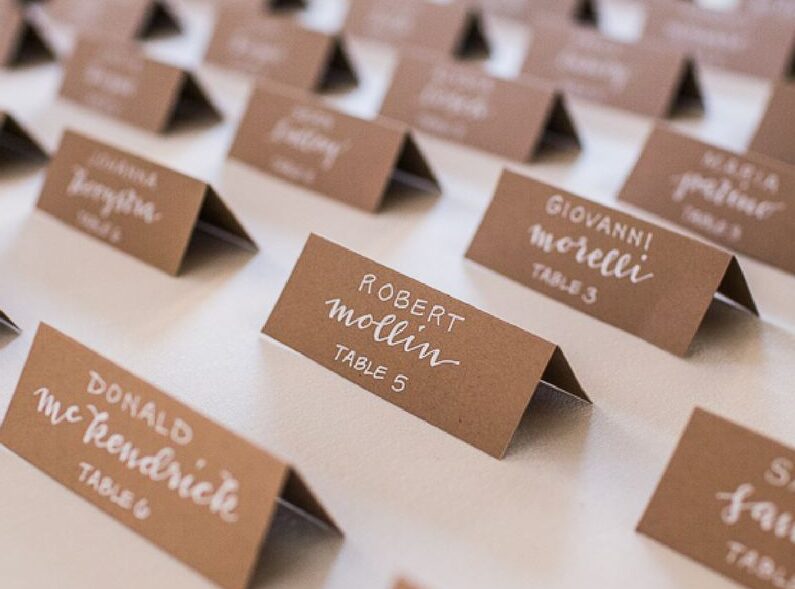
Some people won’t make it. An elderly grandparent, a family with three children and no annual leave, someone quietly having a hard financial year. This is the part of a destination wedding that actually costs something, and pretending otherwise doesn’t help anyone.
What helps is having an answer ready before anyone has to ask for one. A relaxed hometown reception after you’re back is the option our Certified Destination Wedding Specialists recommend most often, and it does a remarkable amount of work. It tells everyone up front that not travelling doesn’t mean missing the celebration entirely, which changes how the original announcement lands.
Beyond that, the practical things that matter: give people as long as possible to save, since our DW Specialists consistently name payment time as the guest detail couples most underestimate. Watch the day of the week, because a Friday to Monday wedding uses far less annual leave than one mid-week. Choose somewhere reasonably close to an airport, particularly if a lot of your guests will only come for a long weekend. And stream the ceremony for anyone who can’t be there, which takes almost no effort and means a great deal.
What Not to Do
A short list, drawn from the versions of this that go badly.
- Don’t announce it on social media first. Anyone who matters should have heard it from you before it appears on a feed.
- Don’t apologize for the decision. Acknowledging the inconvenience is warm. Apologizing invites people to keep negotiating.
- Don’t oversell it. Describing it as a free holiday for everyone reads as dismissive of what it actually costs them.
- Don’t guess at numbers. An estimate you have to revise upward later does more damage than admitting you don’t know yet.
- Don’t relitigate it every week. Say it once, answer questions, and then move on to the fun parts.

Telling Your Family About a Destination Wedding FAQs
How do you tell your family you’re having a destination wedding?
Tell parents and close family privately and individually before announcing it more widely, and do it while the wedding is still a plan rather than a booking. Lead with why you want it, bring realistic per-person costs, and say clearly that you understand if the trip doesn’t work for them. Then give everyone as much notice as you can.
What do you say when family reacts badly?
Listen first and don’t defend immediately. Most objections are about money they can’t spend or a picture they’d held of the day, and neither is really an argument you can win. Acknowledge what they’ve said, don’t reverse the decision on the spot, and revisit it a week later when the initial reaction has settled. A lot of strong first responses soften considerably with time.
How much notice should you give guests for a destination wedding?
For groups of 30 or more, 10 to 12 months. For smaller groups of 20 or fewer, 6 to 8 months is usually enough. Along with the date, give people a clear date by which you’d like them to book, ideally within about 90 days of receiving the invitation, because group room rates get released well before final payment is due.
Should you tell family before or after booking?
Before. Telling close family while it’s still a plan lets them feel included even though the decision is yours, and it costs you nothing. Announcing a confirmed booking is what turns a conversation into an announcement, and that’s where most family friction starts.
What if a parent refuses to come?
Give it time before treating it as final. A refusal in the first conversation is often a reaction rather than a decision, and many soften once real numbers and dates exist. Keep inviting them warmly without pressure, find out whether cost is the genuine obstacle, and if it is, consider whether helping with their trip is something you’d rather spend money on than an upgrade elsewhere.
Start With the Details That Make It Easier
Almost every version of this conversation that goes well has the same thing in common: the couple walked in with real information. A destination, a rough date, an honest per-person cost, and a plan for the people who can’t travel.
If you’d like those numbers in hand before you sit anyone down, that’s exactly what we can put together for you. Fill out our online wedding planning form and one of our Certified Destination Wedding Specialists will get you real figures to bring to the table!

About the Author

Maggie Sabin
Maggie started as the SEO Manager at DestinationWeddings.com in 2024, where she works to drive organic traffic and conversions while creating meaningful, SEO-optimized content for the website. Previously, Maggie's career spanned from Human Resources & Recruitment to teaching at international schools for almost 10 years. Maggie spends her free time traveling, learning new languages, reading non-fiction books, working out, going to the beach and spending time cuddling her dog, Lola!