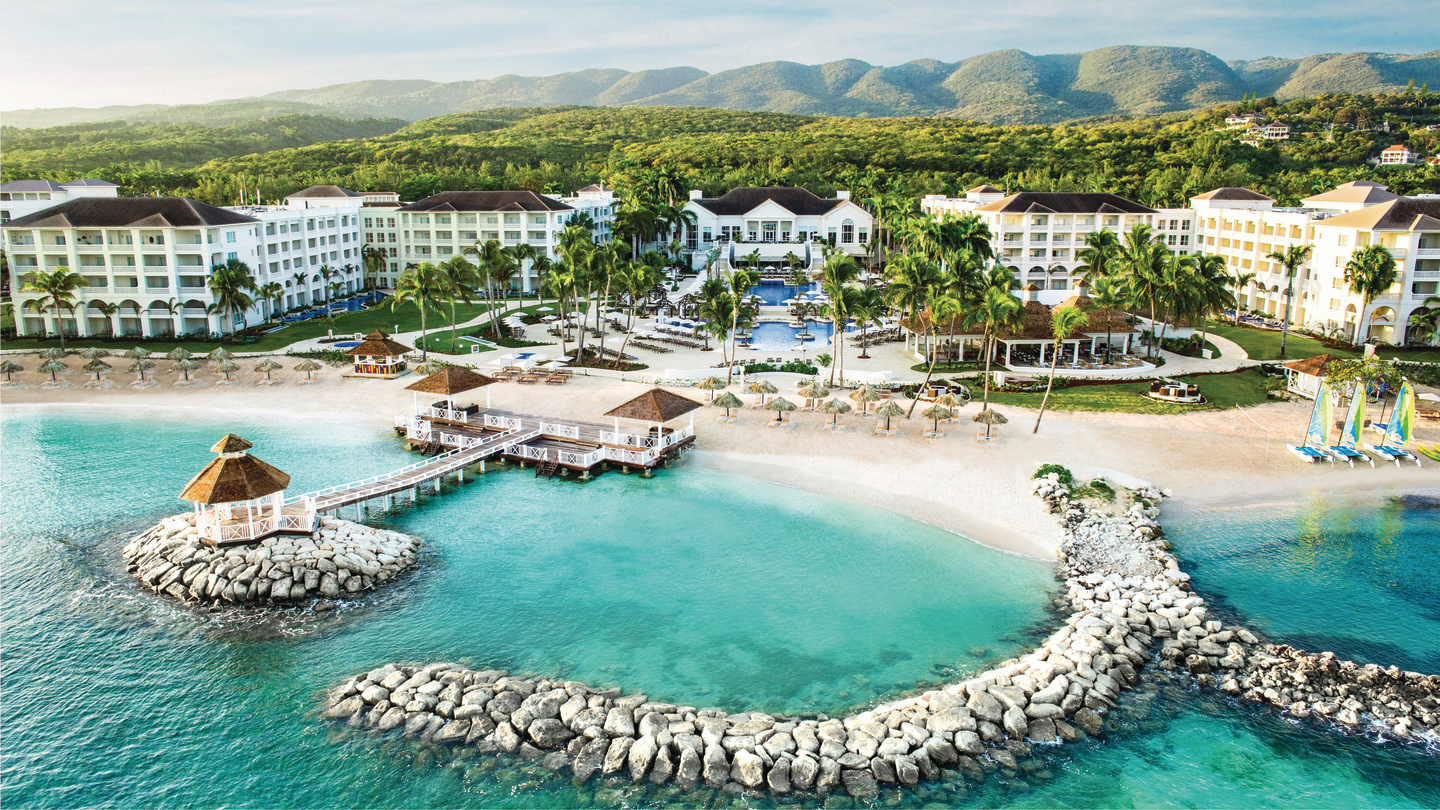

A Mexico destination wedding sounds simple from the outside (pick a resort, get on a plane, say your vows on a beach) and it can be. But the planning process has more moving pieces than couples typically expect: choosing between a symbolic and a legal ceremony, navigating apostille paperwork, picking from Mexico’s seven main wedding hubs, and locking in a room block. This guide walks you through every step, in order, so you know exactly what’s coming and when.
The Mexico Wedding Process at a Glance
Most Mexican weddings follow the same path. The total planning timeline runs roughly 12 to 18 months from “we’re getting married in Mexico” to the wedding day itself. Here’s the broad shape:
- Months 12–18 out: Decide on legal vs symbolic ceremony, set a budget, choose a date, pick your wedding region, connect with a Specialist, choose your resort.
- Months 6–12 out: Lock in room block, customize your package, send save-the-dates, gather legal paperwork if applicable.
- Months 2–6 out: Send formal invitations, finalize vendors, plan group activities (Mayan ruins, cenote tours, whale watching), and confirm details with the on-site coordinator.
- Wedding week: Arrive in Mexico, complete any final paperwork (health screening if legal), host welcome events, and exchange vows.
- After the wedding: Apostille and register your Mexican marriage certificate at home (if you had a legal ceremony).
For the full destination-feel breakdown (what each Mexican wedding region is like, why it’s loved, what makes it distinct), see our destination travel guides. This piece focuses on the how.
The Full Step-by-Step Process
Phase 1: Decisions Before You Book
Step 1: Choose Between a Legal and a Symbolic Ceremony
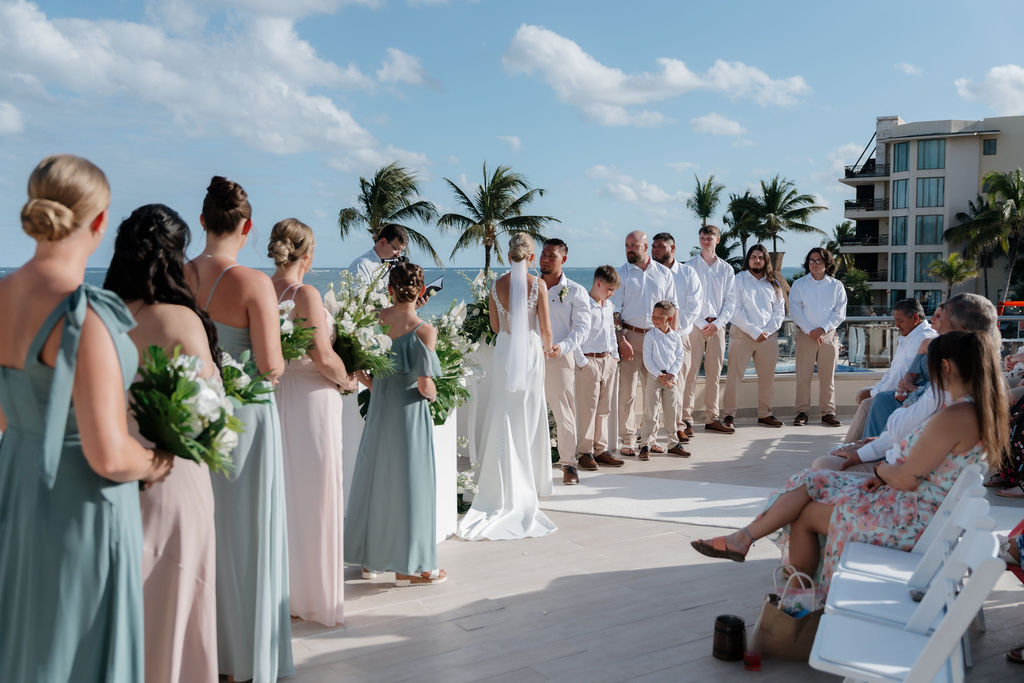
A legal civil ceremony in Mexico is binding internationally but requires advance paperwork (apostilled birth certificates, certified Spanish translations, four witnesses), a health screening (HIV and syphilis tests) completed in the country, and three to four business days of pre-ceremony residency. A symbolic ceremony has none of those requirements: the couple exchanges vows, rings, and intentions, then handles the legal piece quietly at a courthouse back home. Most Mexico couples choose symbolic for the simplicity. For full Mexican legal requirements, see our Mexico legal marriage guide.
Step 2: Set Your Budget
A typical Mexico destination wedding runs roughly $7,000 to $15,000 all-in for the couple, covering wedding package, accommodations, airfare, and add-ons. The couple traditionally covers their own travel and the wedding-specific costs; guests typically cover their own airfare and rooms (with resort group discounts dropping guest rates significantly when you book a block). Decide early how the math works for your group, then size the resort tier and guest list to that number.
Step 3: Pick Your Wedding Date
December through April is Mexico’s nationwide sweet spot, with dry, warm sunshine on both coasts and reliable outdoor ceremonies. September is the statistical peak of the Atlantic and Eastern Pacific hurricane season and the month most couples skip. Holiday weeks (Christmas, New Year’s, Easter, Spring Break) command the highest rates and need the longest lead times. For the full month-by-month breakdown by region, see our Best Time to Get Married in Mexico guide.
Step 4: Decide on Your Wedding Region
Mexico’s wedding scene spans across two coasts and the colonial interior. Cancun and the Mexican Caribbean (Riviera Maya, Tulum) bring powder-white beaches, cenote ceremonies, and Mayan ruins. Los Cabos and Puerto Vallarta on the Pacific coast offer desert-meets-sea drama (Cabo) and mountain-meets-bay scenery (PV) with humpback whales offshore from December through April. Mexico City, San Miguel de Allende, and Mérida in the interior deliver colonial-courtyard ceremonies with deep cultural heritage. The right region shapes everything from the resort tier to the wedding-week vibe.
Phase 2: Booking and Planning
Step 5: Connect with a Certified Destination Wedding Specialist
Working with a Certified Destination Wedding Specialist from this point forward is free for the couple (Specialists are paid by the resort partners) and significantly streamlines the rest of the process. Specialists know the Mexico resort lineup, the regional trade-offs, and the timing quirks (Spring Break in Cancun, Festival Gourmet in Puerto Vallarta, Day of the Dead in San Miguel). Plan for 12 to 18 months of lead time for peak-season dates.
Step 6: Choose Your Resort and Ceremony Venue
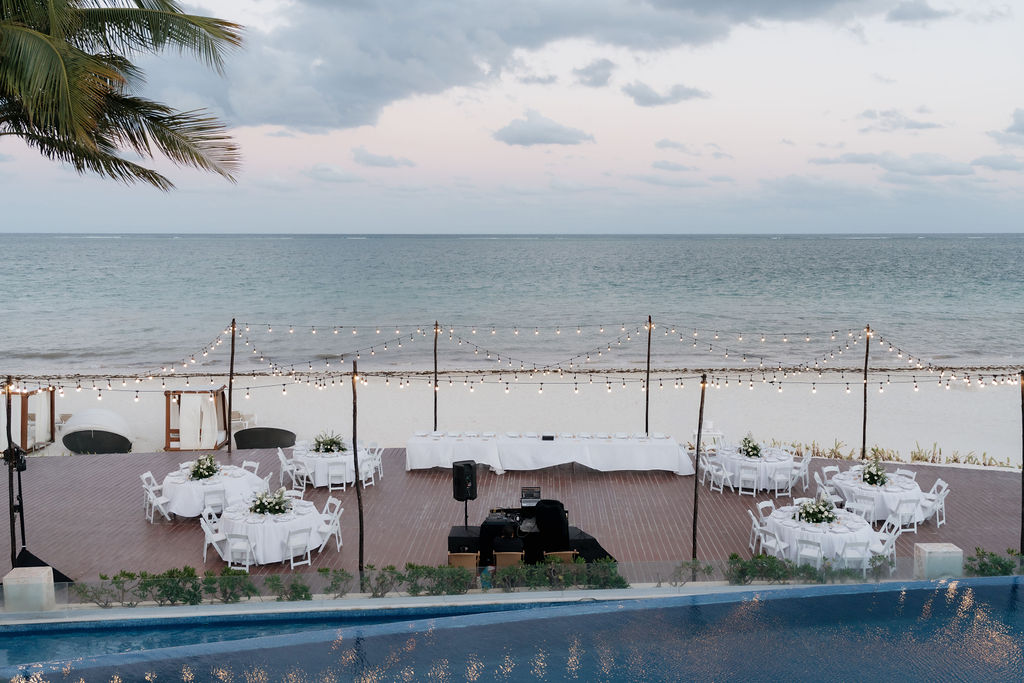
Match your resort to your guest count, your budget, and your wedding-week energy. Most Mexico all-inclusive resorts have multiple ceremony venues (beachfront, garden, terrace, occasionally a chapel or cenote) and at least one indoor backup space. Your Specialist will walk you through the resort lineup; popular anchors include Moon Palace Cancun, Hard Rock Hotel Cancun, Le Blanc Spa Resort Los Cabos, UNICO 20°87° Riviera Maya, Hyatt Zilara Riviera Maya, El Dorado Royale, Hard Rock Hotel Los Cabos, and Hyatt Ziva Puerto Vallarta.
Step 7: Lock In Your Room Block
A room block is a group reservation that holds rooms at a negotiated rate for your wedding guests. Most Mexico resorts unlock complimentary wedding-package benefits at five rooms (basic upgrades, complimentary ceremony setup) and higher-value perks (private receptions, complimentary cake, extended photography) at 10 rooms or more. Lock the block in alongside your resort contract; deposits are typically due 30 to 60 days after signing.
Step 8: Customize Your Wedding Package
The on-site resort wedding coordinator handles the day-of details: ceremony setup, florals, music, photography, dinner, and bar service. Mexico resort packages typically tier from a basic ceremony-only option (around $1,000 to $3,000) up through full-celebration tiers ($5,000 to $12,000+). Customizations like mariachi bands, premium florals, photography upgrades, and cocktail-hour bars are usually priced as add-ons. If a mariachi welcome or a Mayan ritual blessing is part of your vision, book it here.
Phase 3: Pre-Travel Prep
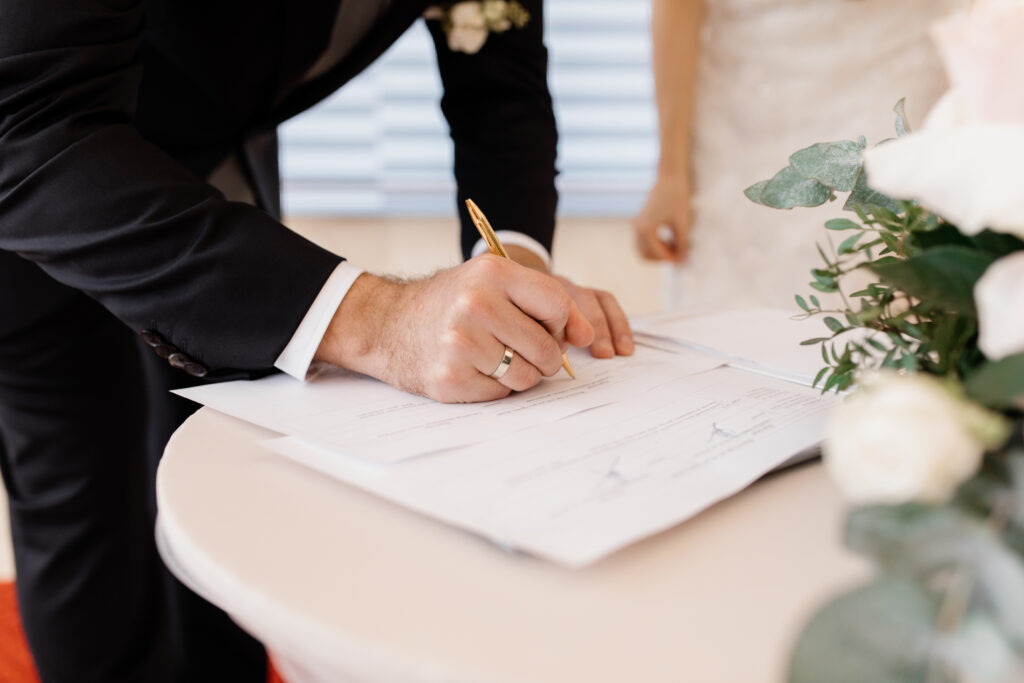
Step 9: Gather Legal Documents (If You’re Having a Civil Ceremony)
If you’re going legal in Mexico, this step happens 4 to 8 weeks before travel. You’ll need apostilled and Spanish-translated birth certificates, single status affidavits, divorce decrees or death certificates if applicable, plus your passports and four witnesses (resort staff can serve if needed). All foreign documents must be apostilled in your home country and translated by a Mexico-licensed perito traductor (the resort coordinator typically arranges the translation). Symbolic ceremonies skip this step entirely.
Step 10: Send Invitations and Coordinate Guest Logistics
Send save-the-dates 9 to 12 months out so guests can request time off and book travel. Formal invitations follow 3 to 4 months before the wedding, with the room-block reservation deadline clearly noted. Include practical info: direct-flight options to Cancun (CUN), Los Cabos (SJD), or Puerto Vallarta (PVR), the resort’s location and amenities, suggested attire, and group excursion options (Mayan ruins, cenote tours, whale watching, Isla Mujeres ferry, Marietas Islands). Many couples create a simple wedding website to centralize the information.
Step 11: Finalize the Details
2 to 4 months out, work with your on-site coordinator to finalize: ceremony scripting, florals, photography and videography, music selection (mariachi, DJ, live band), bridal hair and makeup, attire (Mexico is hot; lighter fabrics matter), welcome bags, and the day-of timeline. If you’re folding in cultural elements (Mayan shaman blessing, cenote ceremony, mariachi welcome, mezcal tasting), confirm bookings now.
Phase 4: In Destination
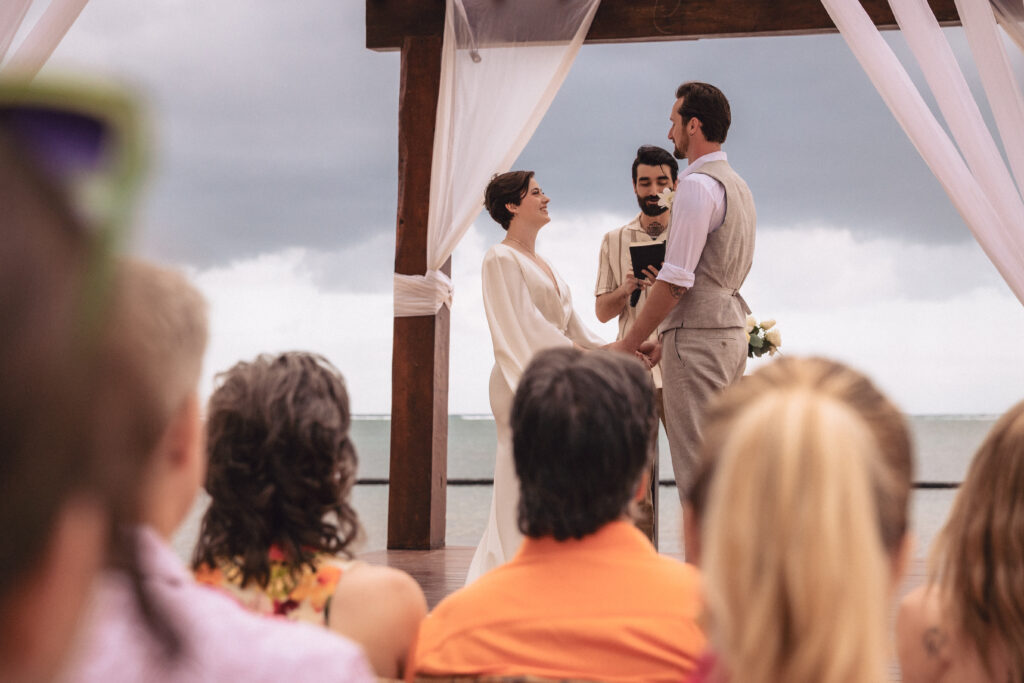
Step 12: Arrive in Mexico and Complete Final Paperwork
If you’re having a legal ceremony, plan to arrive at least three to four business days before the wedding. Your wedding coordinator will arrange the local health screening (the lab visit takes about 30 minutes, with results in 24 to 48 hours) and submit your paperwork to the local Civil Registry. For symbolic weddings, no advance arrival is required, but most couples land two to three days early for welcome events.
Step 13: The Ceremony
On the wedding day, the on-site coordinator runs the timeline. For a legal civil ceremony, a Juez del Registro Civil performs the 20- to 30-minute ceremony (in Spanish, with an English interpreter typically arranged), and your four witnesses sign the acta de matrimonio. For symbolic ceremonies, the resort’s officiant or your chosen celebrant handles the vows. The reception follows: dinner, toasts, first dance, dancing, and often a surprise mariachi appearance partway through the night.
Phase 5: After the Wedding
Step 14: Apostille and Register Your Marriage at Home (If Legal)
If you had a civil ceremony, your Mexican acta de matrimonio is issued in Spanish. Your resort coordinator will help arrange the apostille through the relevant Mexican state’s Secretaría de Gobierno before you leave Mexico (it takes a few business days). Once home, get the apostilled certificate translated into English by a certified translator and file the translated copy with your local county clerk or vital records office. Keep multiple certified copies for name changes, tax filings, and immigration paperwork.

Mexico’s Main Wedding Regions
Mexico’s wedding scene spans across two coasts and the colonial interior, with seven main hubs that each offer a different personality.
Cancun and the Mexican Caribbean
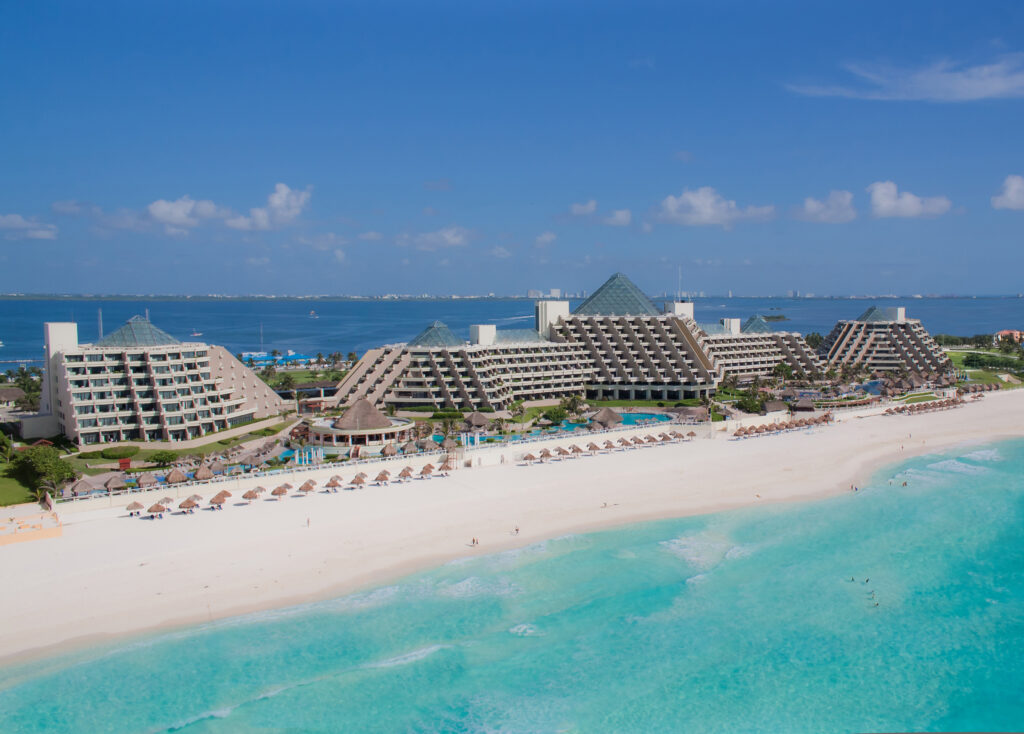
Mexico’s largest wedding hub by volume, with the deepest all-inclusive resort lineup and the widest range of legal-coordination experience. The Hotel Zone’s iconic powder-white beachfront, walkable beach clubs, and direct flights from across the US East Coast make Cancun the most logistically simple of Mexico’s wedding regions. See our Cancun planning guide and Cancun Best Time guide for destination-specific details.
Riviera Maya
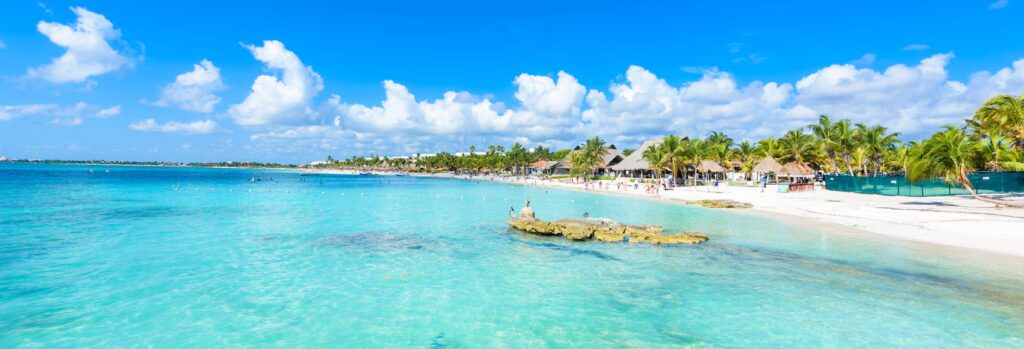
The 80-mile coastline south of Cancun delivers a quieter, more jungle-meets-beach atmosphere. Mayakoba, Playacar, Puerto Aventuras, and Akumal anchor the resort lineup with cenote ceremonies and jungle-clearing venues as signature offerings. See our Riviera Maya Best Time guide.
Tulum
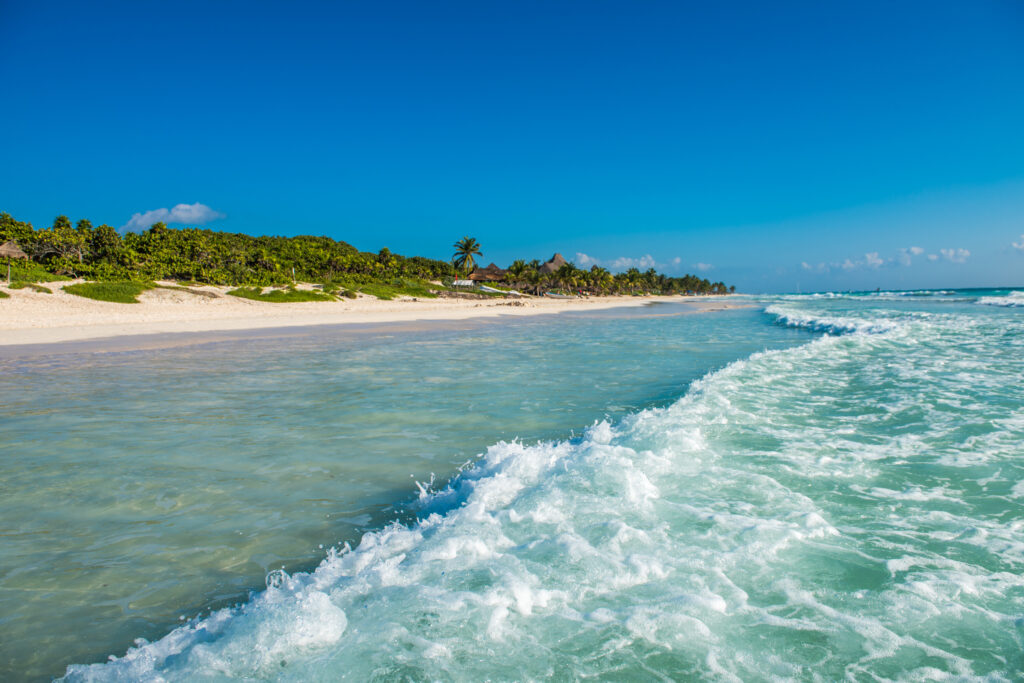
The bohemian, low-rise hotel zone at the southern end of the Riviera Maya, with cliff-top Mayan ruins, boutique design-forward resorts, and the kind of eco-conscious luxury atmosphere that doesn’t exist anywhere else in Mexico. See our Tulum Best Time guide.
Los Cabos
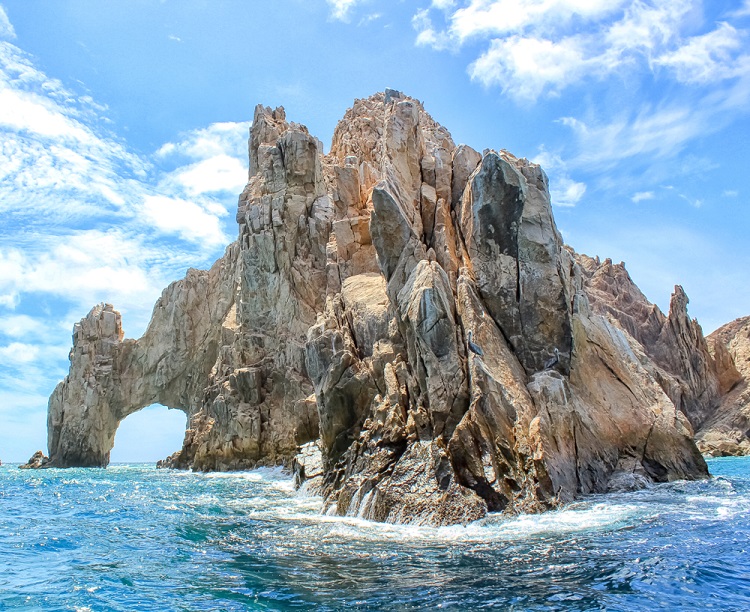
The southern tip of Baja California, where the desert meets the Pacific and the Sea of Cortez. The iconic Arch at Land’s End, dramatic cliff-top ceremony venues, and humpback whale season from December through April make Cabo Mexico’s most distinctive Pacific wedding hub. See our Cabo planning guide and Cabo Best Time guide.
Puerto Vallarta
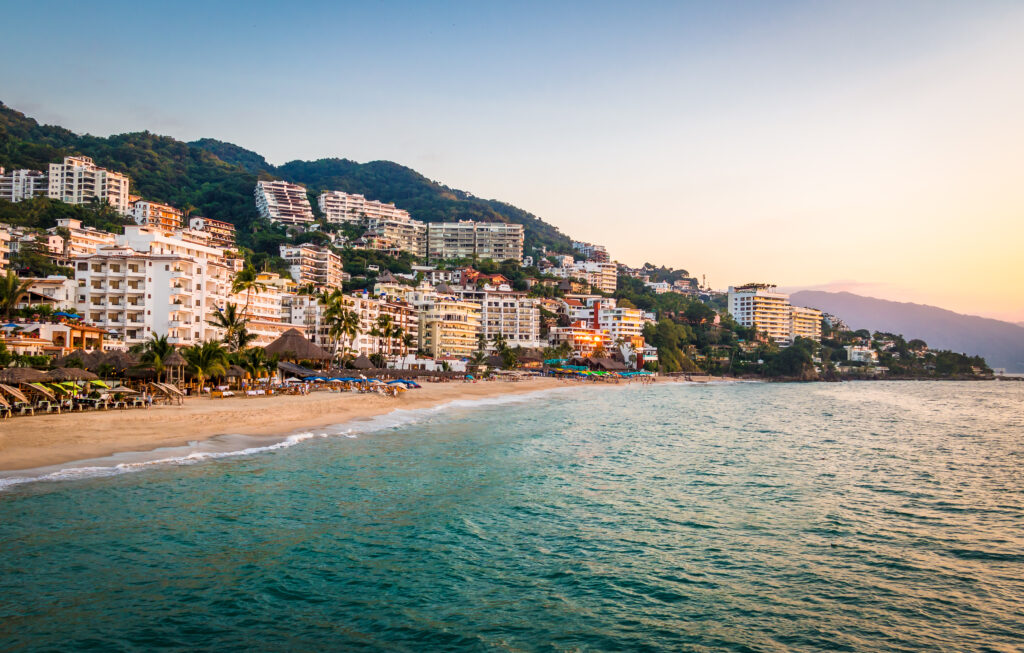
Pacific coast cobblestone old-town charm, the Sierra Madre mountains tumbling down to Banderas Bay, mariachi traditions woven through the city, and a strong LGBTQ+ wedding scene. See our Puerto Vallarta planning guide and PV Best Time guide.
Cozumel
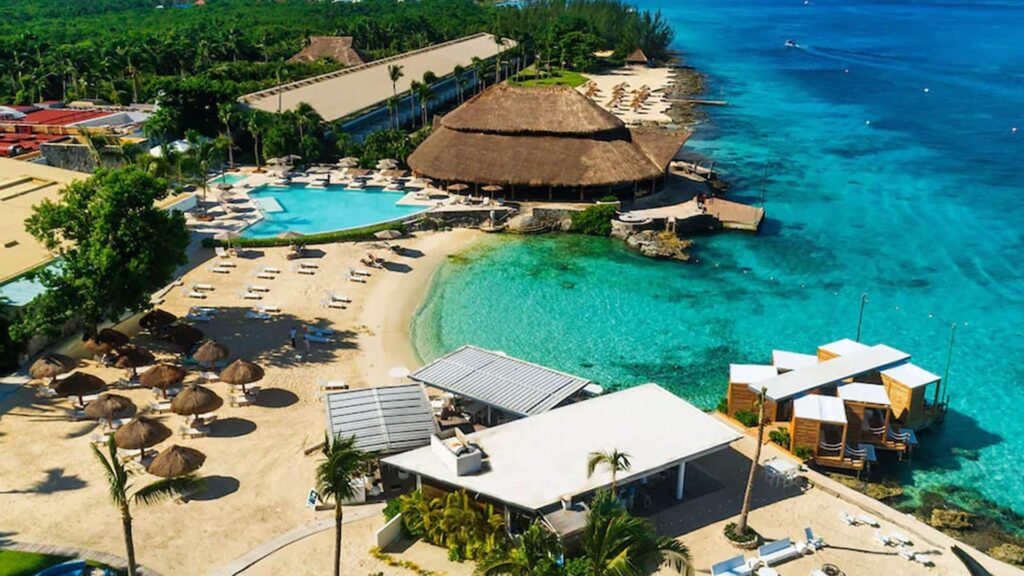
The Caribbean island off the Riviera Maya coast is world-renowned for diving and snorkeling. Smaller resort scene than the mainland, but a popular pick for couples wanting a quieter, more island-feel wedding experience.
Mexico City, San Miguel de Allende, and Mérida (Colonial Interior)
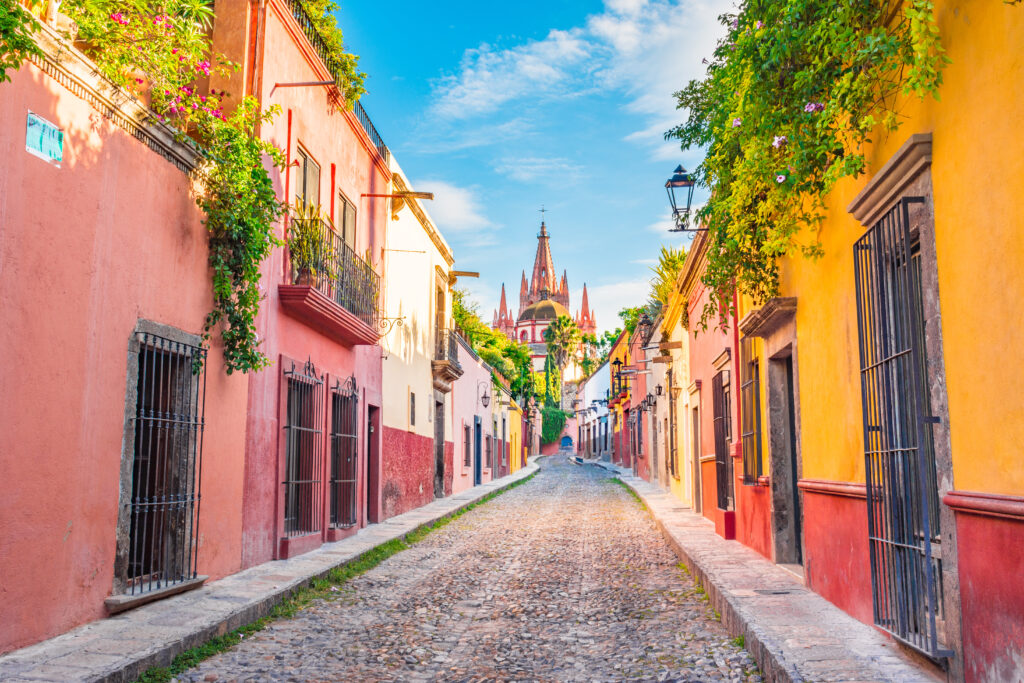
For couples drawn to colonial courtyards, cobblestone streets, historic plazas, and a culinary scene that turns a rehearsal dinner into a memory, central Mexico’s colonial cities deliver something the beach destinations can’t. San Miguel de Allende and Mérida are particular favorites for couples wanting cultural depth alongside the wedding week.
Ceremony Options in Mexico
There are three ways to say “I do” in Mexico. Only one is legally binding, but all three can stand alone as the wedding moment itself.
Symbolic Ceremony (Most Popular)
The vast majority of Mexico destination weddings are symbolic. Couples exchange vows, rings, and intentions without the paperwork, and handle the legal piece quietly at a courthouse back home before or after the trip. Symbolic ceremonies have no document requirements, no health screening, no residency window, and full flexibility on ceremony scripting. Most all-inclusive wedding packages default to this option.
Civil Ceremony (Legally Binding)
A civil ceremony performed by a Juez del Registro Civil is the only legally binding option in Mexico. It requires advance paperwork (apostilled birth certificates, certified Spanish translations, four witnesses), a health screening (HIV and syphilis tests) completed in the country, and three to four business days of pre-ceremony residency. For the full Mexico-wide legal requirements, see our Mexico legal marriage guide.
Religious Ceremony
Some couples add a Catholic, Protestant, Jewish, or other religious ceremony. Religious ceremonies aren’t legally binding in Mexico unless paired with a civil ceremony, but many resorts have on-site chapels or relationships with local clergy. Plan for longer lead times if you want a religious element, especially in the busy December Guadalupe season in Puerto Vallarta.
Mexico Wedding Planning FAQs
How long does the entire Mexico wedding planning process take?
Plan for 12 to 18 months from the initial decision to the wedding day for peak-season dates (December through April). Holiday weeks (Christmas, New Year’s, Easter, Spring Break) need 18 months or more. Shoulder months can sometimes come together in 9 to 12 months; low-season dates can sometimes work in 6 to 9 months if you’re flexible.
Do we have to be in Mexico before our wedding?
For a legal civil ceremony, yes: three to four business days in country for the health screening (HIV and syphilis), document submission to the Civil Registry, and the 48-hour waiting period some states observe. For a symbolic ceremony, no advance arrival is required, but most couples land two to three days early for welcome events.
What’s the simplest way to get married in Mexico?
The simplest path is a symbolic ceremony in Mexico paired with a legal civil ceremony at home. The symbolic ceremony has no document, residency, or health-screening requirements, which keeps planning streamlined and arrival flexible. Most Mexico couples choose this path.
Will our Mexico marriage be legal back home?
Yes, if you complete a civil ceremony with a Juez del Registro Civil and apostille the Mexican marriage certificate before leaving Mexico. Mexican civil marriages are recognized internationally under the Hague Convention. Once home, file your apostilled and translated certificate with your local county clerk or vital records office.
How much should we expect to spend on a Mexico wedding?
A typical Mexico destination wedding runs roughly $7,000 to $15,000 all-in for the couple, with smaller and larger options at either end. The wedding package itself usually runs $1,000 to $7,000, depending on tier; accommodations, airfare, and add-ons make up the rest. Complimentary packages with a qualifying room block can bring the wedding package line to zero.
Can same-sex couples legally marry in Mexico?
Yes. Same-sex marriage has been legal nationwide in Mexico since 2022, with full recognition in every state. All Mexican wedding hubs (Cancun, Riviera Maya, Tulum, Los Cabos, Puerto Vallarta, Mexico City, San Miguel de Allende, Mérida) have full experience hosting same-sex civil ceremonies.
Start Planning Your Mexico Wedding Today
Mexico has been a top destination wedding hub for decades because the process works. Reliable weather, direct flights from across the US, a deep all-inclusive resort scene, and a wedding-coordination ecosystem that handles almost everything for you. The 14-step path above is the same one our Certified Destination Wedding Specialists walk every couple through, and the heavy lifting is on us.
Fill out our online wedding planning form and we’ll match you with a Specialist who knows the Mexico resort landscape inside and out.

About the Author

Maggie Sabin
Maggie started as the SEO Manager at DestinationWeddings.com in 2024, where she works to drive organic traffic and conversions while creating meaningful, SEO-optimized content for the website. Previously, Maggie's career spanned from Human Resources & Recruitment to teaching at international schools for almost 10 years. Maggie spends her free time traveling, learning new languages, reading non-fiction books, working out, going to the beach and spending time cuddling her dog, Lola!