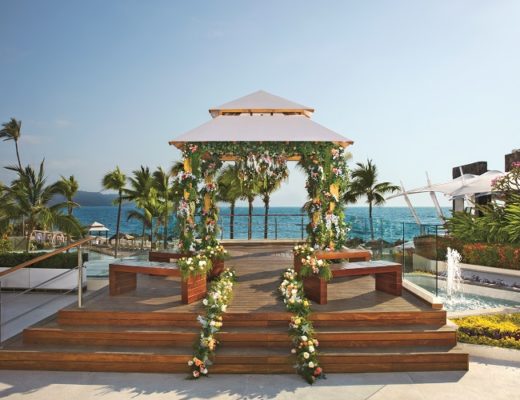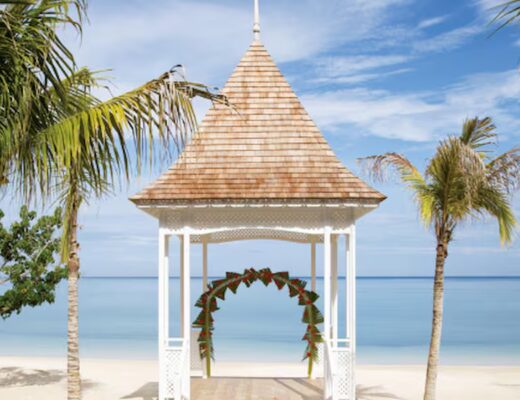
A destination wedding in Los Cabos doesn’t whisper, it announces! The desert tumbles straight into the Pacific at Land’s End, the Sea of Cortez glows that startling cobalt blue, and the iconic Arch frames more wedding photos than any other rock formation in Mexico. For couples drawn to bold landscapes, dramatic light, and oversized sunsets, Cabo answers the call. The good news on timing: with no sargassum and very little rain to plan around, the calendar here is more forgiving than it is in the Caribbean.
Short answer: November through May. The desert climate delivers warm, dry, and reliably sunny days, and the late December through early April window doubles as humpback whale season, a once-in-a-lifetime ceremony backdrop. Late summer and early fall are the months that need a closer look.
Here’s how to think about your destination wedding‘s calendar. Our Certified Destination Wedding Specialists can help you plan every detail of your big celebration.
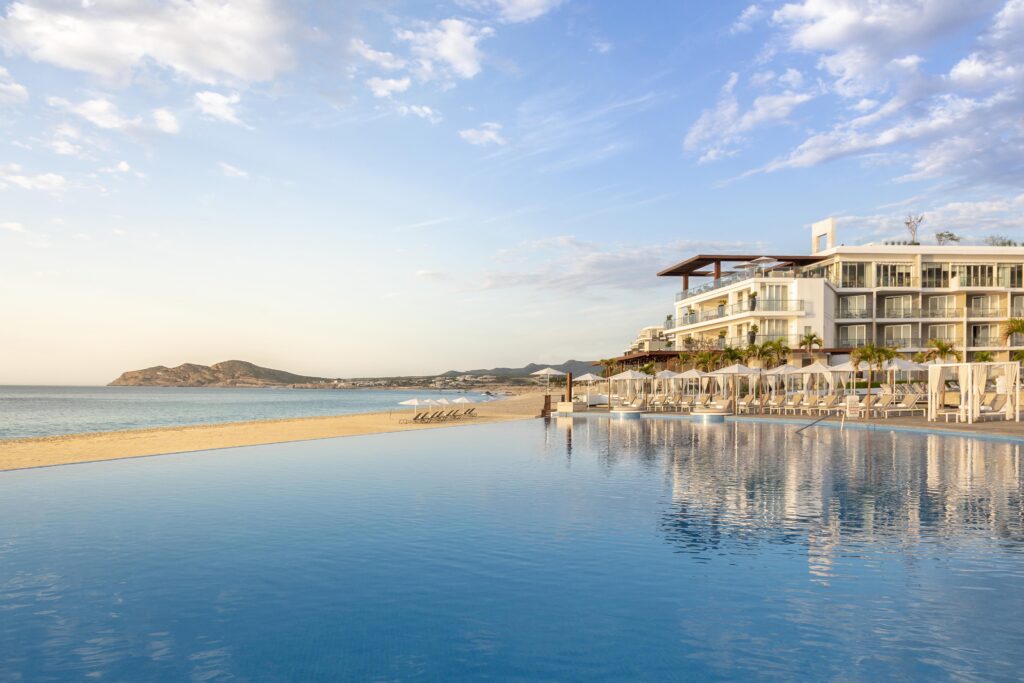
Los Cabos Wedding Season at a Glance
| Season | Months | Weather | Whale Watching | Pricing |
|---|---|---|---|---|
| Peak (best weather) | December–March | 72–82°F, dry, low humidity | Excellent (peak Jan–March) | Highest |
| Shoulder | April–May, October–November | Warm, dry, sunny | Tail ends (April, late Nov) | Mid-range |
| Low / Hurricane Risk | June–September | Hot (mid-90s), occasional storms | None | Lowest |
Month-by-Month Wedding Weather in Los Cabos
January
Crisp, sun-soaked, and steady. Daytime temperatures sit in the mid-70s, evenings cool into the low 60s, and the whale-watching season is already in full swing. Bring a wrap for outdoor receptions; the desert cools quickly after dark.
February
Peak whale watching with humpbacks visible from the bay almost daily. Valentine’s week books out at the top resorts and rates spike. The weather is essentially perfect: dry, sunny, and warm enough for a barefoot ceremony, cool enough for a wrap at dinner.
March
Whales remain spectacular and the desert is in its prime. Spring Break crowds gather in Cabo San Lucas, especially around the Medano Beach strip. For a quieter celebration, look toward the Corridor or San Jose del Cabo’s mission-town energy.
April
A sweet spot. The last whale heads north, Spring Break clears, and the weather holds in its picture-perfect window. Easter (varying date) brings a brief domestic travel surge worth checking against your guest list.
May
Warming into the mid-80s with continued near-zero rain and no humidity to speak of. A genuinely underrated wedding month, with peak weather minus peak prices.
June
Temperatures climb into the high 80s and low 90s, and the Eastern Pacific hurricane season officially opens. Early June is still reliably calm; the back half can begin to feel sticky. Rates drop noticeably.
July
Hot. Daytime highs flirt with the mid-90s, evenings stay warm, and short tropical showers (Chubascos) pass through occasionally. Ceremonies after 5 p.m. are essential; resorts with shaded venues become much more important.
August
A near-twin to July with a slightly higher tropical storm risk. Build flexibility into your contract and ask for a written hurricane rebooking policy if August is your target.
September
Peak Eastern Pacific hurricane season. The hottest, stickiest, riskiest month on the calendar. Hurricane Odile in 2014 remains the modern benchmark for what can happen. Discounts are real, but it’s the one month we’d most gently nudge you to skip.
October
Hurricane risk continues through mid-month, then begins to wind down. By the last week of October, the desert is cooling, and the high-season buzz starts to return. A gambler’s month with real upside late in the run.
November
A reliably stunning wedding month. Daytime temperatures settle in the high 70s, evenings get crisper, and the first humpback sightings of the new season usually appear in the last two weeks. Pricing hasn’t climbed all the way into peak territory yet.
December
Peak season opens with whale watching, dry sunny days, and a holiday rush at the month’s end. The first two weeks tend to be calmer than late December; Christmas and New Year’s bring the year’s highest demand and rates.

A Word on the Pacific Hurricane Season
Los Cabos sits in the Eastern Pacific hurricane belt, not the Atlantic. The official season runs June 1 through November 30, with peak storm activity from late August through early October. Most years pass without direct impact, though notable hits do happen (Hurricane Odile in 2014 is the benchmark). Even storms that pass well offshore can bring strong winds and short bursts of heavy rain.
If you’re considering a date in this window:
- Confirm your resort’s hurricane rebooking policy in writing before signing.
- Buy travel insurance with weather coverage for both of you and your guests.
- Build flexibility into your contract; Pacific storms typically give three to five days of forecast warning.
- Track the Eastern Pacific page on the National Hurricane Center, not the Atlantic one.
Whale Watching as a Wedding-Week Bonus
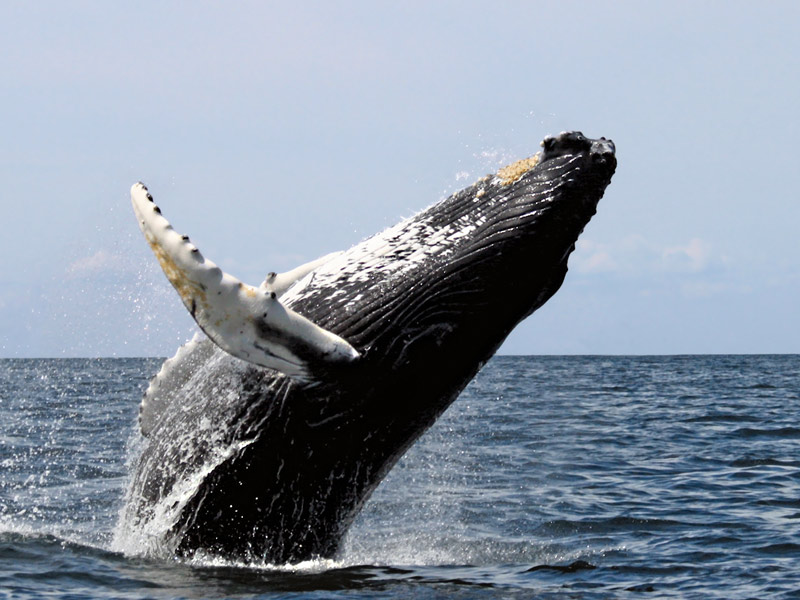
Humpback whales migrate to the warm waters off Cabo between mid-December and mid-April, with peak sightings from late January through March. Gray whales pass through earlier, from December into February. For couples planning a beachfront ceremony, this often means breaches and tail-slaps from the bay during the vows. Even better, a half-day whale-watching excursion makes a memorable addition to your wedding-week itinerary, and guests usually rave about it long after the trip.
Sea of Cortez or Pacific: Two Coastlines, One Wedding
Los Cabos straddles two bodies of water, and the choice between them quietly shapes your wedding.
- The Sea of Cortez side (San Jose del Cabo and the Corridor): calmer water, warmer water, swimmable beaches. Most beachfront ceremonies happen here for safety and comfort.
- The Pacific side (Cabo San Lucas and the southwest tip): dramatic waves, the Arch at Land’s End, and bigger sunsets. Best for breathtaking photo backdrops, not for swimming.
Many couples book a resort on the Sea of Cortez side for the ceremony and add a marina-area sunset boat charter to capture photos at the Arch.
The Best Time of Day to Say “I Do”
Aim for 1.5 to 2 hours before sunset. The desert light turns warm and amber, the heat of the day lifts, and you’ll catch every sunset color over the Pacific.
Approximate sunset times and ideal ceremony windows by month (Mountain Time, no daylight saving in Baja California Sur):
| Month | Sunset | Ideal Ceremony Time |
|---|---|---|
| January–February | 6:00–6:15 p.m. | 4:15 p.m. |
| March–April | 6:30–7:00 p.m. | 5:00 p.m. |
| May–August | 7:15–7:30 p.m. | 5:30 p.m. |
| September–October | 6:30–7:00 p.m. | 5:00 p.m. |
| November–December | 5:30–5:45 p.m. | 3:45 p.m. |
When to Start Planning Your Los Cabos Wedding
Cabo books earlier than most Mexican destinations. For peak-season dates (December through April), most couples lock in 12 to 18 months out. Whale-season Saturdays at the most popular resorts (think the Corridor luxury anchors) often need 18 months or more.
For shoulder dates (April-May or late October-November), nine to twelve months is usually plenty. Low-season weddings can sometimes come together within six months if you’re flexible on the resort and the day of the week.
Before you commit, talk it through with a Certified Destination Wedding Specialist who knows the difference between a Sea of Cortez and Pacific-side venue, and who’s tracked Cabo’s wedding calendar through the highs and lows.

Los Cabos Wedding Timing FAQs
What is the cheapest month to get married in Los Cabos?
September delivers the deepest savings, but it’s also peak Eastern Pacific hurricane season and the hottest, most humid month of the year. For real savings without the storm risk, look at early June or the second half of October.
Can we see whales during our Cabo wedding?
Yes, if you marry between mid-December and mid-April. Humpbacks are visible from the bay during peak months (late January through March). Many couples book a half-day whale-watching excursion as part of the wedding-week activities.
Should we get married on the Sea of Cortez side or the Pacific side?
The Sea of Cortez side (San Jose del Cabo and the Corridor) has calmer water, swimmable beaches, and most of the beachfront ceremony venues. The Pacific side (Cabo San Lucas and Land’s End) has dramatic waves, the famous Arch, and unmatched sunset photo backdrops. Many couples pair a Sea of Cortez ceremony with a sunset boat charter to the Arch for photos.
How far in advance should we book a Los Cabos wedding?
Plan for 12 to 18 months for peak season (December through April), and 18 months or more for Saturday dates at the most popular Corridor resorts. Shoulder months need nine to twelve months, and low-season dates can sometimes come together in less.
Is Cabo too hot for an outdoor summer wedding?
Daytime temperatures from June through September regularly hit the mid-90s. Outdoor ceremonies in those months should be scheduled after 5 p.m., with shade, water stations, and lighter ceremony attire. Many couples shift their summer weddings indoors or to covered terrace venues.
Ready to Pick Your Los Cabos Wedding Date?
The right month turns Cabo into the wedding it’s meant to be: dramatic sunsets, breaching whales, golden desert light, and that unmistakable Pacific blue. Once you’ve narrowed your window, every other planning decision starts to fall into focus.
Our Certified Destination Wedding Specialists have walked every Cabo resort, watched every whale season, and matched dozens of couples to the right beach, the right boat, and the right month. Tell us your vision through our online wedding planning form, and we’ll lock in the perfect date.

About the Author

Maggie Sabin
Maggie started as the SEO Manager at DestinationWeddings.com in 2024, where she works to drive organic traffic and conversions while creating meaningful, SEO-optimized content for the website. Previously, Maggie's career spanned from Human Resources & Recruitment to teaching at international schools for almost 10 years. Maggie spends her free time traveling, learning new languages, reading non-fiction books, working out, going to the beach and spending time cuddling her dog, Lola!