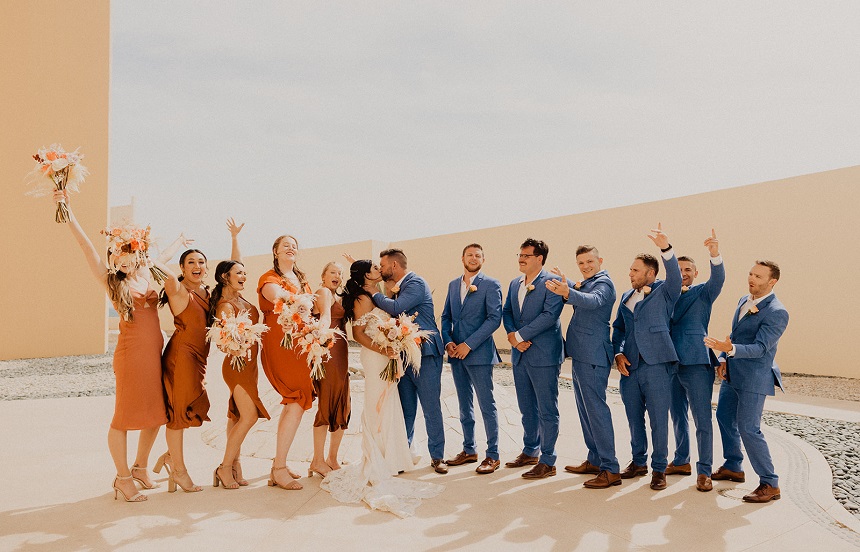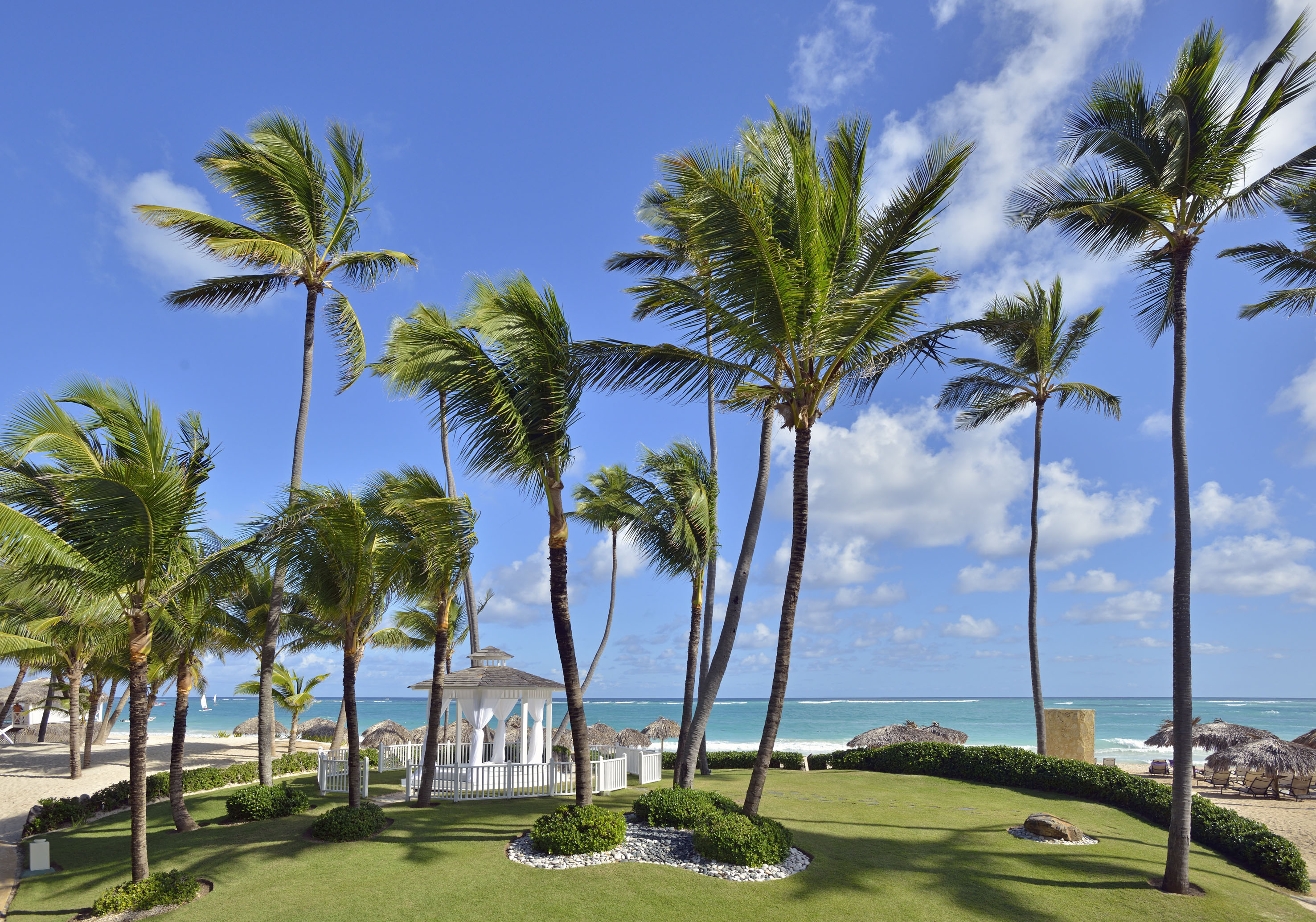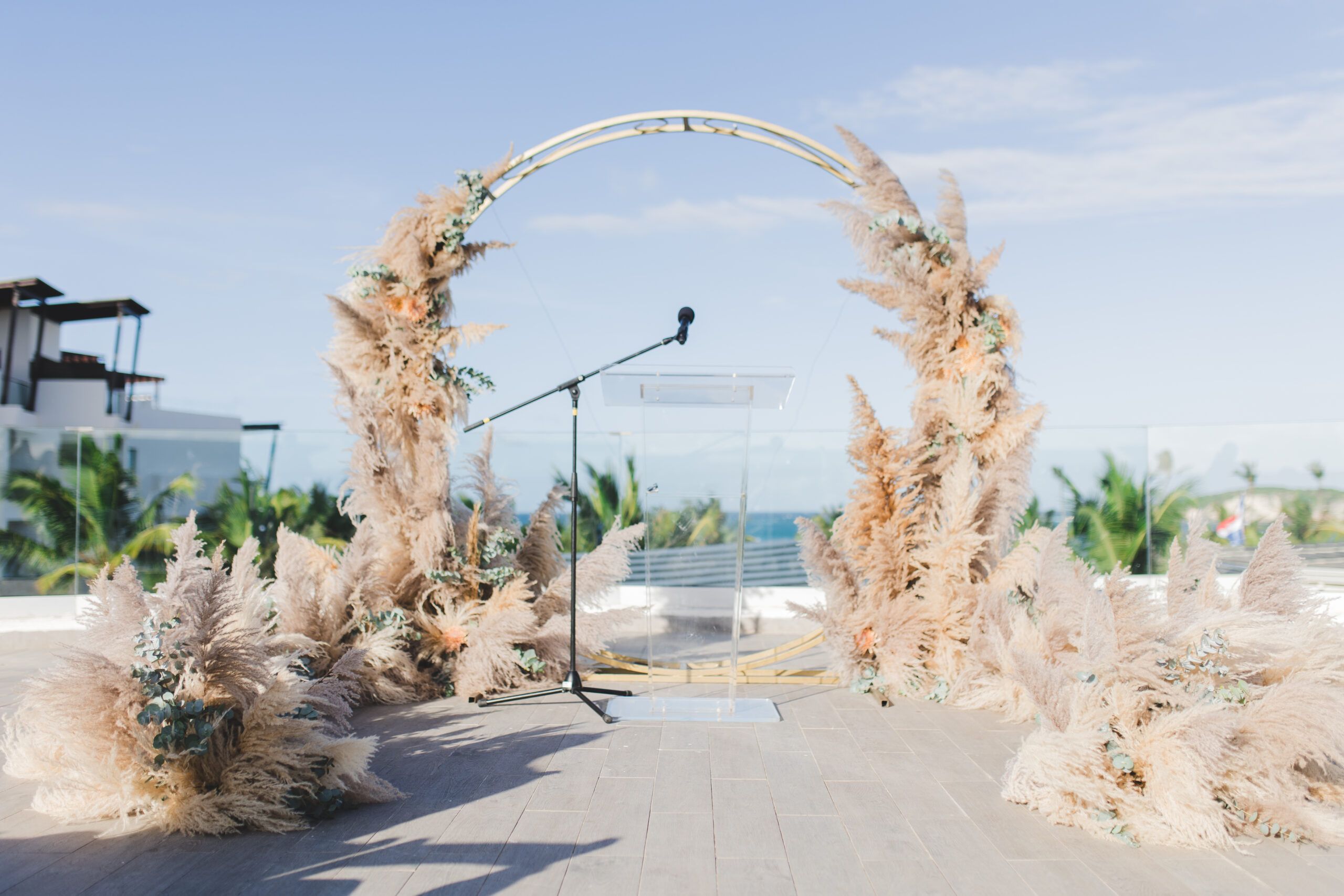


A destination wedding isn’t a day, it’s a stretch of days, and that’s the part couples underestimate. Guests average four nights at the resort, which means you’re not planning a ceremony. You’re loosely hosting forty people in a foreign country for the better part of a week.
The good news is that the shape of that week is well established, and it works. Four days, four anchors, with plenty of unscheduled time in between so nobody feels herded. Here’s how it runs, and what each day actually asks of you.

Destination Wedding Week at a Glance
| Day | The Anchor Event | Who Hosts | Book in Advance? |
|---|---|---|---|
| Day 1 | Arrivals and welcome event | The couple | Yes, private space fills early |
| Day 2 | Group excursion, free afternoon | Often guests pay their own way | Yes, for group rates |
| Day 3 | Ceremony and reception | The couple | Yes, at booking |
| Day 4 | Farewell brunch, departures | The couple or a parent | Usually not |
Day 1: Arrivals and the Welcome Event
Guests land, transfer to the resort and disappear into their rooms for a few hours. That gap is deliberate and worth protecting. People have been travelling since dawn, and an event scheduled too early in the evening gets a thin, tired turnout.
Aim to start around seven, somewhere the group can stand and move rather than sit in rows. A private section of a beach restaurant, a terrace or a reserved stretch of sand all work. Drinks, something to eat, a short toast from the two of you, and that’s the whole brief.
What this evening is really for is introductions. Your college friends have never met your aunt, and if that introduction doesn’t happen now, it happens awkwardly at the reception. One night of mingling changes the temperature of the entire week, which is why this is the event most couples say they’d spend more on if they did it again.
A Note on Staggered Arrivals
Almost nobody arrives on the same flight, and this is where the Day 1 plan usually comes apart. Some guests land at ten in the morning, others at nine at night, and a few are coming in a day late because of work.
Two things fix it. Publish the welcome event time with the save-the-date so people book flights around it rather than discovering it afterward, and make it a come-and-go evening rather than a seated dinner with a start time. Anyone who lands late joins at the end and has still met everybody. If a real cluster of guests can’t make Day 1 at all, move the welcome to the second night and let Day 1 be a soft arrival day.
Day 2: The Group Excursion
This is the day people tell stories about afterward, more often than the wedding itself. Everyone is rested, nobody is nervous yet, and the group is together somewhere that isn’t the resort.
A catamaran is the reliable choice because it holds a crowd, nobody has to be athletic, and the bar is on board. Snorkeling, a cenote, a jeep tour, or a day in a nearby town all work just as well if they suit your group. The main thing is that it’s one shared activity rather than three small ones, since splitting the group on the only free day defeats the purpose.
Book it well ahead for the group rate, and be clear in advance about who’s paying. Plenty of couples cover the welcome event and let guests pay for the excursion themselves, which is completely normal as long as it’s said early rather than discovered at the dock.
Leave the afternoon and evening alone. Guests need one unscheduled block or the week starts to feel like a tour, and you need an early night before the wedding.

Day 3: The Wedding Day
The day itself runs much like a wedding anywhere, with one difference: the heat decides the schedule. Most ceremonies here are set for late afternoon, roughly 90 minutes before sunset, which keeps guests comfortable and puts the photographs in the best light of the day.
That works backward into everything else. Hair and makeup start mid-morning and run long with a full wedding party. Getting-ready photographs need a room with daylight and space, which is a good reason to take the upgrade if it’s offered. Lunch is easy to forget and shouldn’t be.
After the ceremony, most resorts run a cocktail hour while the couple does photographs, then dinner, then dancing. The reception generally has a hard finish, often around eleven, because of noise rules. Ask what yours is and plan the after-party before the night rather than during it, since the lobby bar at midnight is where half your guests will end up regardless.
Day 4: Farewell Brunch and Departures
A relaxed brunch, no speeches, no schedule. People drift in with sunglasses on, tell you what they remember from the night before, and say goodbye properly instead of shouting it over music.
Keep it simple and keep it cheap. A reserved area in the resort’s buffet restaurant does the job, and at an all-inclusive it often costs nothing at all. Set it late enough that nobody sets an alarm and early enough for midday flights.
Plenty of couples stay on afterward, moving to a different resort or a quieter part of the coast for the honeymoon. Waving everyone off and then having the place to yourselves is a genuinely lovely way to end the week.
What a Wedding Week Costs
Most couples who marry abroad with us spend between $9,000 and $11,000 in total, covering the wedding package, their own accommodations, airfare and extras. Guests book and pay for their own rooms and flights, with rooms typically running $300 to $400 per person per night across that four-night stay.
These averages reflect real spend data from couples who booked their destination wedding with our Certified Destination Wedding Specialists.
The extra events are where the week’s budget quietly grows, so decide early which ones you’re hosting. A welcome evening and a farewell brunch are the two most couples cover. The excursion is commonly guest-funded, and saying so plainly in the invitation saves an uncomfortable conversation later.

Destination Wedding Week FAQs
How many days is a destination wedding?
Guests stay four nights on average, with the wedding usually falling on the third day. That leaves an arrival day, a free day and a departure day around it. Couples themselves often stay longer, either arriving early to handle details or staying on afterward for the honeymoon.
What events do you need at a destination wedding?
Four anchors cover it: a welcome event on the arrival night, one group activity, the wedding itself, and a farewell brunch. Anything beyond that risks over-scheduling people who are also trying to have a holiday. Guests need unstructured time as much as they need events.
Do you have to pay for your guests’ activities?
No, and most couples don’t. The common split is that the couple hosts the welcome event and the farewell brunch, while guests cover their own rooms, flights and any excursions. What matters is stating it clearly on the wedding website so nobody arrives with the wrong expectation.
What time should a destination wedding ceremony be?
Late afternoon, generally about 90 minutes before sunset. That keeps guests out of the midday heat and gives photographers the warm light just before dusk. Your resort will know the sunset time for your date and will usually recommend a slot built around it.
Plan Your Week, Not Just Your Wedding
Four days, four anchors and a lot of deliberate empty space in between. That’s the framework, and it holds up whichever coast you choose. The couples who enjoy their own weddings are the ones who plan the week and then stop planning.
Fill out our online wedding planning form and one of our Certified Destination Wedding Specialists will help you build a schedule your guests will actually thank you for!

About the Author

Maggie Sabin
Maggie started as the SEO Manager at DestinationWeddings.com in 2024, where she works to drive organic traffic and conversions while creating meaningful, SEO-optimized content for the website. Previously, Maggie's career spanned from Human Resources & Recruitment to teaching at international schools for almost 10 years. Maggie spends her free time traveling, learning new languages, reading non-fiction books, working out, going to the beach and spending time cuddling her dog, Lola!