

Congrats! You are engaged and about to embark on one of the most exciting journeys of your life. As you begin planning your dream celebration, you will quickly realize that communication is key. This is especially true if you are jet-setting away to a tropical paradise for a destination wedding. Your guests are going to have questions about travel, resorts, and itineraries. You’ll definitely need a central hub that keeps everyone organized and informed so you can focus on the fun parts of planning.
A well-designed wedding website is the ultimate tool for modern couples. It serves as your digital home base where excited friends and family can find everything they need to know about your big day. From booking their rooms to planning their weekend activities, a great site handles the heavy lifting of guest communication. In this guide, we will walk you through exactly how to build a beautiful, functional, and guest-friendly wedding website that reflects your unique style and love story.

What Is a Wedding Website?
A wedding website is a personal online platform created specifically for your upcoming nuptials. Think of it as a dedicated space to house every detail of your big event. While your paper invitations are beautiful and set the tone, they have limited space. Your website helps fill in the gaps. It provides a comprehensive resource for your guests to access 24/7.
For couples planning a destination wedding, a wedding website is not just a nice-to-have feature; it’s a necessity. It acts as a travel guide, a social coordinator, and an information desk all rolled into one. It is the place where you share logistics, manage RSVPs, link to your registries, and share the story of how you met.
By creating a central digital location, you ensure that your guests feel confident and prepared for their trip to celebrate with you.
The Benefits of Having a Wedding Website
Planning a wedding involves managing hundreds of moving parts. A wedding website simplifies this process significantly by housing all important information in one easy-to-access place.
Instead of answering endless text messages and phone calls asking about the hotel address or the ceremony start time, you can simply direct everyone to your site. This saves you valuable time and reduces planning stress.
Real-time updates are another massive benefit. If you need to change a venue due to weather or update a shuttle schedule, you can do so instantly on your site. You can also send bulk notifications to your guests so everyone stays in the loop.
For destination weddings, the benefits multiply. You can provide direct links to travel deals and resort bookings, detailed maps of the resort, and important information about local customs or currency.
Furthermore, the best wedding websites offer seamless integration for RSVPs. You no longer have to wait for mail to arrive or worry about cards getting lost in the postal system. You can track guest counts, meal choices, and plus-ones instantly. It keeps your planning organized and ensures accurate headcounts for your vendors.
Who Should Create a Wedding Website
Every couple can benefit from a wedding website, but some will find it absolutely necessary. If you are planning a destination wedding, this tool is especially crucial. Your guests are committing time and money to travel for your celebration. They need more support and information than guests attending a local event. A website helps them navigate flights, passports, and resort bookings with ease.
Couples with large guest lists should also prioritize creating a site. The more people you invite, the more questions you will receive. A website acts as a filter for those inquiries.
It is also perfect for weddings with multiple events. If you are hosting a welcome cocktail hour, a rehearsal dinner, a ceremony, a reception, and a farewell brunch, your paper invitation will look cluttered if you try to list them all. A website allows you to create a clean, organized schedule for the entire weekend.
Basically, if you want to ensure your guests have a smooth experience and you want to keep your own sanity during the planning process, you should create a wedding website!

What’s Included in a Wedding Website
A strong wedding website includes clear, helpful, and engaging content. It should serve as a roadmap for your guests. Each section should guide them through the experience, answer their potential questions, and reflect your personal style as a couple.
Here are the essential elements you should include to make your site truly effective.
Custom URL
Your URL is the web address guests will type into their browser to find your site. You want this to be simple and memorable. Avoid long strings of random numbers or complicated spellings. A custom URL often allows you to use your names, such as “SarahAndJohnWed.com” or “TheSmithsinMexico.com.”
A personalized URL is much easier for guests to recall. It also looks cleaner on your Save the Dates and formal invitations. It adds a polished, professional touch to your wedding communications right from the start.
Event Itineraries
One of the primary reasons guests visit your wedding homepage is to know where they need to be and when. Your itinerary section should be a clear timeline of all wedding-related events. Be sure to list the date, start and end time, and the specific location for every activity.
For a destination wedding, this often extends beyond just the ceremony and reception. You should include details for the welcome party, any group excursions you have planned, and the post-wedding brunch. If there are gaps in the schedule where guests are free to explore on their own, mention that too. This helps guests plan their travel arrangements and pack appropriate attire for each part of the celebration.
Travel Information
For a destination wedding, the travel section is arguably the most important part of your site. This is where you help your guests navigate the logistics of getting to your chosen location in paradise. Include tips on booking flights and which airport they should fly into.
You should also include vital information about travel documents. Remind guests to check their passport expiration dates well in advance. Explain any visa requirements or tourist forms they might need to complete upon arrival.
Providing information about airport transfers and transportation from the airport to the resort is also incredibly helpful. The more guidance you give here, the more comfortable your guests will feel about making the trip.
Accommodations & Booking Functionalities
Your guests need a place to stay! Use this section to list the resort options you have selected. If you have secured a room block with special rates, this is the place to highlight it. Provide clear instructions on how to access these rates, whether it is through a specific code or a dedicated booking link.
Direct booking links are a game-changer. They allow guests to reserve their rooms with just a few clicks. Highlight the amenities of the resort to get them excited. Mention the pools, spa, restaurants, and the beach.
Make the booking process as seamless as possible. This is often a unique and helpful feature of our wedding website platform that simplifies the experience for everyone.
Your Registry Links
Most guests will want to give you a gift to celebrate your union. Your wedding website is the appropriate place to share your registry information. Putting registry details directly on a formal invitation can sometimes differ from traditional etiquette, but listing them on your website is perfectly acceptable and expected.
Add a clear link, or links, to your wedding registry so guests can explore gift options easily. It is wise to offer registries at a few different stores or include a cash fund option for a honeymoon or house down payment. Offering a range of price points ensures that there are gift options to suit all budgets.
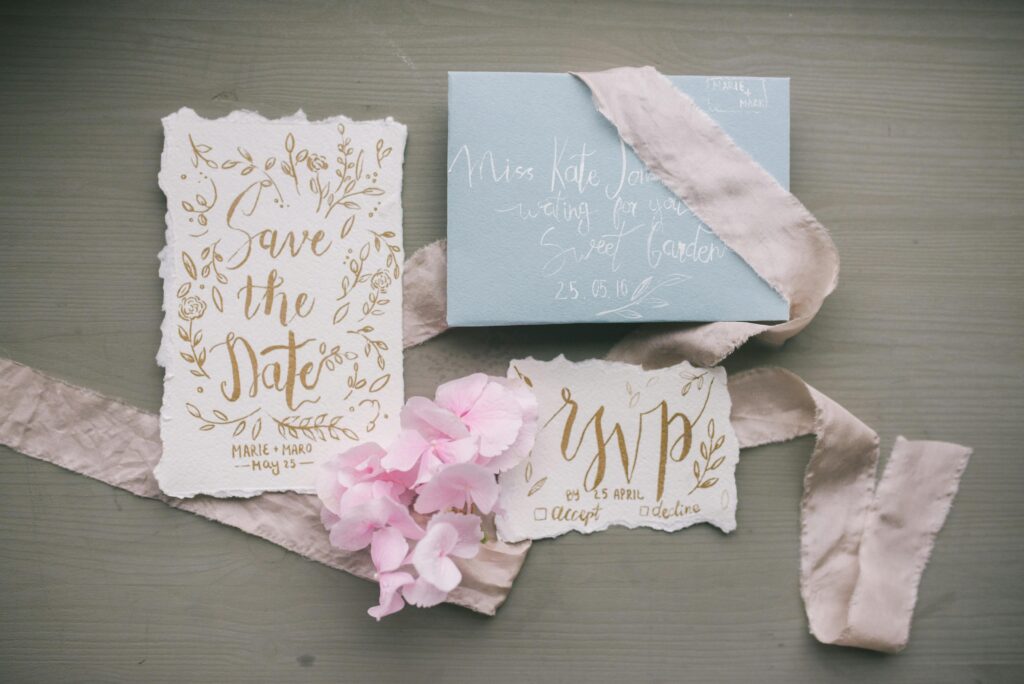
Save the Dates & RSVPs
Integrating digital Save the Dates and RSVP forms streamlines the entire guest response process. You can send out a digital announcement as soon as you have your date and venue secured. This gives guests plenty of time to request time off work and save for their travel.
The online RSVP function is a major stress reliever. You can customize the form to ask for meal preferences, dietary restrictions, and plus ones. It reduces the chance of response cards getting lost in the mail and allows you to download a spreadsheet of responses whenever you need it. This keeps your guest list organized and up-to-date in real time.
Dress Codes
“What should I wear?” is one of the most common questions wedding guests have. Your website is the perfect place to clarify dress codes for each event. Be specific. Instead of just saying “beach formal,” explain what that means. For example, you might say, “Suits for men (ties optional), and cocktail dresses or dressy jumpsuits for ladies.”
For destination weddings, remind guests about the climate. If the ceremony is on the sand, advise ladies to rethink stilettos. If it gets breezy at night, suggest bringing a light shawl. You can even include a color palette or photos to provide inspiration. This helps guests pack with confidence and ensures everyone looks great in photos.
Your Love Story
Your wedding is a celebration of your relationship, so let your personalities shine! The “Our Story” section is a favorite for many guests. It is a chance to share the details of how you met, your first date, and how the proposal happened.
This section makes the website feel warm and personal. It helps guests who may only know one of you to feel connected to you as a couple. You can share relationship milestones or fun facts about each other. Keep it authentic and write in a voice that sounds like you. It sets a romantic and joyful tone for the upcoming celebration.
Bulk Emailing & Communication
A top-tier wedding website platform will offer bulk emailing capabilities. This feature is a lifesaver. It allows you to send group updates, reminders, or newsletters directly through the website.
You can schedule emails to remind guests about booking deadlines or RSVP dates. If there is a last-minute change to the schedule, you can notify everyone instantly. This ensures guests receive important information quickly and nothing falls through the cracks. It is a proactive way to manage communication without having to copy and paste hundreds of email addresses manually.
FAQ Pages
An FAQ page is your first line of defense against repetitive questions. Think about all the things guests might ask and answer them here. Common topics include: “Are kids invited?”, “Can I bring a plus one?”, “What is the weather like?”, and “Is there a shuttle from the airport?”
You can also include fun or specific questions about the resort amenities, like “Is there WiFi?” or “Do I need to bring a beach towel?” Answering these questions up front dramatically reduces the number of texts and calls you will receive in the weeks leading up to the wedding.
Photo Capabilities
Visuals are powerful. Use your website to showcase your engagement photos. This adds a beautiful visual element to the site and lets guests see your happiness. You can also include photos of the destination and the venue.
Giving guests a preview of the stunning beach where the ceremony will take place or the elegant ballroom for the reception builds anticipation. They can start picturing themselves there, which makes them even more excited to book their trip. After the wedding, you can update this section with photos from the big day for everyone to enjoy.
RELATED: The Ultimate Guide on How to Plan Your Own Wedding
How to Create Your Wedding Website
Building a website might sound technical, but modern tools make it incredibly simple. You do not need to know how to code or be a graphic designer.
Follow this step-by-step guide to build a polished and effective wedding website that will impress your guests.
Choose a Template
Start by selecting a template or design layout. Most platforms offer a variety of styles, from modern and minimalist to floral and romantic. Choose a design that matches your wedding theme and personality. If you are having a tropical beach wedding, look for a template with bright colors or palm leaf motifs.
Ensure the template you choose is mobile-friendly. Most of your guests will likely view your site on their phones, so it needs to look just as good on a small screen as it does on a desktop. A clean, responsive layout ensures a positive user experience for everyone.
Make it Personal
Once you have your template, it is time to make it yours. Add unique touches that reflect you as a couple. Upload your favorite photos to the homepage. Customize the colors and fonts to match your wedding palette.
Write your welcome message in a tone that feels authentic to you. If you are a fun, laid-back couple, let that shine through in your writing. If you are planning a black-tie affair, keep the language elegant and formal. Personalization helps your guests feel connected to the event before they even arrive.
Create Relevant Pages
Set up the pages we discussed earlier. You will want a Homepage, a Schedule or Itinerary page, a Travel & Accommodations page, a Registry page, and an RSVP page. Organize the navigation menu so it is intuitive.
Guests should be able to find exactly what they are looking for within seconds. Do not bury important information like hotel booking links deep in a sub-page. Keep the structure logical. A simple navigation bar at the top of the site is usually the best approach.
Add All of the Necessary Details
Now comes the content. Go through each section and fill it with practical, accurate information. Be thorough. Double-check your dates, times, and addresses.
When adding travel info, include phone numbers for the hotels and transport companies. If you have a room block code, bold it so it stands out. Remember that the more details you include upfront, the fewer questions guests will need to ask later. It is better to over-communicate than to leave guests guessing.
Preview & Test
Before you send the link to anyone, preview your site. Look at it on your computer, your tablet, and your phone. Click every single link to make sure it works and goes to the right place. Test the RSVP form to ensure you receive the notification.
It is highly recommended to ask a trusted friend or family member to test it as well. A fresh set of eyes might catch a typo or a broken link that you missed. Ask them if the information is clear and if they have any trouble navigating the pages.
Publish and Share the Site
Once you are happy with how everything looks and functions, hit publish! Your site is now live. The next step is to distribute the link. You can include it on your Save the Dates, your formal invitations, and even in an email announcement.
Remember that your website is a living document. You can and should update it as details evolve. If you add a new event or get a discount code for flights later on, add it to the site. Just be sure to notify guests if there are major changes to the schedule.

Tips for Making the Perfect Wedding Website
Creating the best wedding websites comes down to combining style with function. Here are a few best practices to elevate your design and improve the guest experience.
Start Early
Do not leave your website until the last minute. Ideally, you should have the basics of your site built before you send out your Save the Dates. This allows you to print the URL on the cards.
Starting early is especially important for destination weddings. Guests need months to plan for travel expenses and time off. The sooner you can provide them with hotel rates and travel dates, the better. You do not need every single detail finalized to launch the site, but the key logistics should be there.
Create a Custom URL
As mentioned before, a custom URL is worth the small effort. It makes your site easy to type, remember, and share. It also prevents guests from landing on the wrong site if they search for your names.
You can often purchase a domain name for a low cost, or many wedding website builders offer free custom subdomains. Whichever route you choose, keep it short and sweet.
Include Icebreaker Information
If your guest list includes people from different parts of your life who may not know each other, add some icebreaker info. You can include short bios of your wedding party members.
This helps guests put faces to names and gives them conversation starters for the reception. You can also include a “Who’s Who” section or fun facts about the two of you. Making the site feel welcoming and engaging helps break the ice for guests who may be meeting for the first time in paradise.
Keep It Simple
It can be tempting to use every feature and widget available, but clutter is the enemy of a good website. Avoid auto-playing music, which can annoy guests who open the site in a quiet place.
Stick to clean layouts, clear text, and high-quality images. Use whitespace to make the text easy to read. Essential information should be the star of the show. A simple, elegant site is always more effective than a busy, chaotic one.
Ready to Start Planning Your Dream Destination Wedding?
Creating a custom wedding website is just one step in the exciting journey of planning your celebration. A great site sets the tone for a weekend of love, laughter, and unforgettable memories.
If you are dreaming of saying “I do” on a pristine beach in Mexico or in a lush garden in the Caribbean, we are here to help. Planning a destination wedding becomes effortless with expert support from our team. We handle the logistics so you can focus on the joy of the occasion.
Speak with one of our Certified Destination Wedding Specialists today by completing our online wedding planning form. Let us start you on the path toward a beautifully planned celebration in paradise!

About the Author

Maggie Sabin
Maggie started as the SEO Manager at DestinationWeddings.com in 2024, where she works to drive organic traffic and conversions while creating meaningful, SEO-optimized content for the website. Previously, Maggie's career spanned from Human Resources & Recruitment to teaching at international schools for almost 10 years. Maggie spends her free time traveling, learning new languages, reading non-fiction books, working out, going to the beach and spending time cuddling her dog, Lola!