
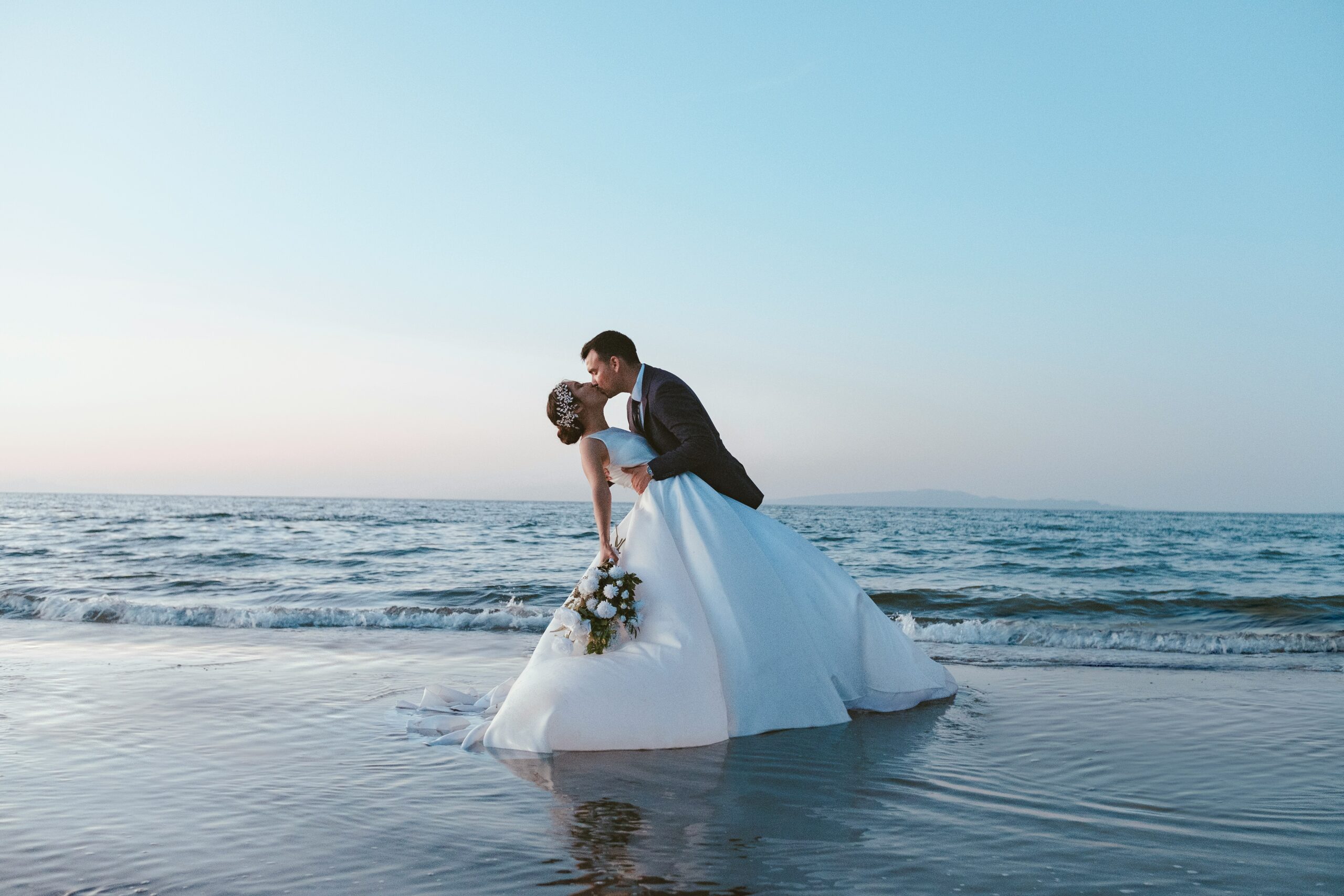
A beach wedding is all about romance, adventure, and unforgettable scenery. With soft sand underfoot, waves gently crashing in, and a sunset-painted sky, your wedding day can feel like a dream come true. A dedicated wedding website for your beach wedding can be one of the most helpful tools for your guests to get all the information they need for your big day. Your website is more than a digital invitation — it’s where guests find answers to all their questions, important information to help them plan their travel, and get excited about the experience ahead.
For many guests, especially those traveling from out of town or abroad, your wedding website becomes their first real introduction to your celebration. Before flights are booked or outfits are chosen, guests will visit your site to understand what to expect. A thoughtful, well-organized destination wedding website immediately sets a welcoming tone and reassures guests that their experience has been carefully considered and thought through.
We’ve created this guide to walk you through how to create a beach wedding website that feels personal, organized, and easy to use. From essential pages and design styles to interactive features and planning tips, you’ll find ideas that help guests feel informed and welcomed. Whether your vibe is tropical, elegant, boho, modern, or an eclectic mix of styles that perfectly represents your relationship, these ideas will help you build a website that reflects your love story and sets the tone for your celebration.
Why a Beach Wedding Website Matters More than Ever
Destination weddings are unforgettable, but they also come with extra planning details. Guests are traveling farther, staying longer, and relying on clear information to feel comfortable and prepared. A beach wedding website helps manage all of that in one place.
Unlike traditional local weddings, destination celebrations often involve multiple events, unfamiliar locations, and travel logistics that guests may not be used to handling on their own. Without a central resource, even small questions can quickly turn into dozens of texts, emails, and calls.
A well-built site becomes your planning hub, giving guests access to everything they need before they pack their bags. Your beach wedding website can help by providing your guests with:
- Centralized information: Skip endless texts and emails. Guests can find schedules, locations, dress codes, and updates all in one spot.
- Personal connection: Share a welcome message, photos, or a short video that explains why you chose your destination.
- Logistics made easy: Collect RSVPs, share hotel booking links, outline transportation options, and highlight group perks.
- Less stress: FAQs, weather notes, and quick updates help guests feel confident, even if plans change.
For couples, this level of organization also means fewer last-minute questions and more time to focus on enjoying the engagement period. A clear website allows you to communicate proactively instead of reactively.
Many couples also use their website to share packing lists, report maps, excursion details, or countdowns to the big day. When your website is clear and welcoming, it becomes part of the overall guest experience and the first glimpse of what’s to come.
Guests who feel informed ahead of time are more relaxed once they arrive, which creates a better atmosphere for everyone throughout the wedding weekend.

Key Elements Every Beach Wedding Website Should Include
A great destination wedding website is easy to navigate and simple for guests of all ages to understand. These core elements ensure everyone feels informed and supported.
Clear menus, intuitive page flow, and straightforward language are especially important when your guest list includes different age groups or varying levels of travel experience.
Essential Wedding Details (Date, Time, and Location)
Your wedding date, time, and location should be front and center. Include ceremony and reception details on the homepage and again on a dedicated schedule page. Always list the venue name, full address, and a time zone. If you have a backup plan for the weather, note that clearly.
Even small details, such as whether the ceremony starts exactly on time or allows for a short arrival window, can be helpful for guests navigating transportation or resort schedules.
Helpful extras include venue maps, clickable directions, and short descriptions like “on the beach” or “oceanfront terrace.” For multi-event weekends, separate each event with clear headings, so guests can easily follow along.
This clarity is especially useful for guests attending only certain events, as it allows them to quickly see what applies to them.
Travel and Accommodation Information
A travel and lodging section of your wedding website can answer some of the most common questions your guests will have as they plan their trips.
This section often becomes the most visited page on a destination wedding website, so clarity and organization here are essential.
You’ll want to be sure to include:
- Airports: Provide guests with the nearest options, estimated drive times, and shuttle or care service details.
- Hotel or Resort information: Offer room block links, booking deadlines, and at least two alternative resort options.
- Ground transportation: Provide guests with information on rental cars, resort shuttles, rideshares, taxis, and parking tips.
If your destination requires additional planning, such as ferry rides, border crossings, or limited transportation hours, including that information early can prevent confusion and missed connections.
You can also add arrival and departure guidance, customs notes, passport reminders, and downloadable travel guides. A well-organized travel section saves you time and gives guests peace of mind.
Guests who feel confident about travel logistics are more likely to extend their stay and fully enjoy the destination.
Schedule of Events and Multi-Day Itineraries
Destination weddings are often full weekends, not just one day. Create a clear itinerary that outlines every event, including:
- Welcome party
- Group activities or excursions
- Rehearsal dinner
- Ceremony and reception
- Farewell brunch
Providing start and end times, as well as locations for each event, helps guests plan downtime, childcare, or excursions around the wedding schedule.
Icons, expandable sections, or downloadable schedules make details easier to scan. Be sure to include attire suggestions for each event, so guests know what to pack.
This is especially helpful when events range from casual beach gatherings to more formal evening celebrations.
RSVP and Guest Management Tools
Digital RSVPs keep planning simple. Your website should include:
- A clear RSVP button or link
- Forms for attendance, meal choices, dietary needs, and plus-ones
- Confirmation messages so guests know their response was received
Some couples also include transportation needs or excursion interests within their RSVP form, helping them plan group activities more accurately.
Displaying your RSVP deadline and adding a short FAQ about the process helps avoid confusion. Many platforms also allow guests to update their responses if plans change.
Flexibility is especially important for destination weddings, where travel plans may shift.
Registry and Gift Information
Use warm, friendly wording when sharing registry details. A short note like “Your presence means the world to us” keeps the tone personal. Link directly to your registry or honeymoon fund, and explain any preferences for experiences, group gifts, or charitable giving.
Destination weddings often involve additional costs for guests, so keeping this section gracious and pressure-free is especially important. Adding a photo or a brief note about your honeymoon plans or chosen charity helps this section feel thoughtful rather than transactional. This context helps guests feel connected to how their gift will be used or appreciated.
FAQs Tailored to Destination Weddings
Your FAQ page should answer questions that guests may have, including:
- Packing tips for the destination and planned activities
- Typical weather and seasonal advice
- Passport, visa, and travel insurance guidance
- Dress codes with examples
- Currency, tipping, and payment options
- Accessibility and family-friendly details
Answering these questions upfront reduces uncertainty and allows guests to focus on enjoying the celebration, rather than worrying about logistics.
Update this page as new questions come up. The most helpful wedding websites treat FAQs as a living resource. Monitoring guest questions as they arise ensures your site stays relevant and useful.
RELATED: Best Destination Wedding Website Builders for Your Beach Wedding
Beach Wedding Website Design Themes and Styles
Your website design gives guests a preview of your wedding style and atmosphere. Because guests often form first impressions within seconds, your design choices immediately communicate what type of celebration they’ll attend.
From relaxed and breezy to refined and elegant, your website should visually align with the experience your guests will experience at the destination.
Tropical and Island-Inspired Wedding Websites
Bright colors, playful details, and bold accents capture the energy of a tropical setting. Think palm greens, coral, turquoise, and sunshine yellow. Custom maps, illustrated icons, or wave-inspired banners add personality without overwhelming the page.
This style works especially well for beachfront resorts, island venues, or celebrations that embrace a fun, laid-back atmosphere. Incorporating subtle textures, like watercolor washes or plan leaf patterns, can add depth while keeping the design cohesive.
Balance vibrant designs with clean spacing, so information stays easy to read. Too many bright elements can quickly feel overwhelming, so allowing white space between sections helps guests focus on important details without visual fatigue.
Coastal Elegance and Nautical Design Themes
Soft neutrals paired with navy, white, or gold create a timeless coastal look. Subtle textures, refined fonts, and watercolor backgrounds feel romantic and polished. Gentle animations and smooth scrolling enhance the experience without distraction.
This design approach is ideal for couples hosting formal or semi-formal events by the ocean, especially those inspired by classic seaside estates or upscale coastal destinations. Small nautical nods, such as thin line dividers or understated anchor motifs, can add charm without feeling theme-heavy.
Minimalist Beach Wedding Website Designs
Minimalist designs focus on simplicity and clarity. Crisp white backgrounds, soft neutrals, and limited accent colors allow your photos and details to shine. This style works especially well for smaller weddings or modern venues.
Minimalist websites are incredibly user-friendly, particularly for guests navigating on mobile devices. Clear typography, straightforward navigation, and uncluttered layouts ensure that essential information is always easy to find.
Boho Beach Wedding Website Aesthetics
Boho designs blend earthy colors with organic shapes and hand-drawn elements. Warm tones like terracotta, blush, and rust pair beautifully with script accents and relaxed typography. Interactive guestbooks and photo collages invite guests into your story.
This aesthetic pairs naturally with barefoot ceremonies, dried florals, and sunset celebrations. Layered textures, such as linen-inspired backgrounds or soft gradients, help create a welcoming, free-spirited feel without sacrificing readability.
Luxury Destination Wedding Website Styles
Luxury designs lean into clean layouts, rich neutrals, and elegant accents like gold or champagne. Monograms, curated galleries, and subtle animations elevate the experience. Private RSVP links or VIP pages add a polished touch for multi-event weekends.
These websites often emphasize editorial-style photography and refined spacing, allowing each element to feel intentional. The result is an elevated digital experience that mirrors the level of care put into the wedding itself.
Color Palettes that Work Beautifully for Beach Weddings
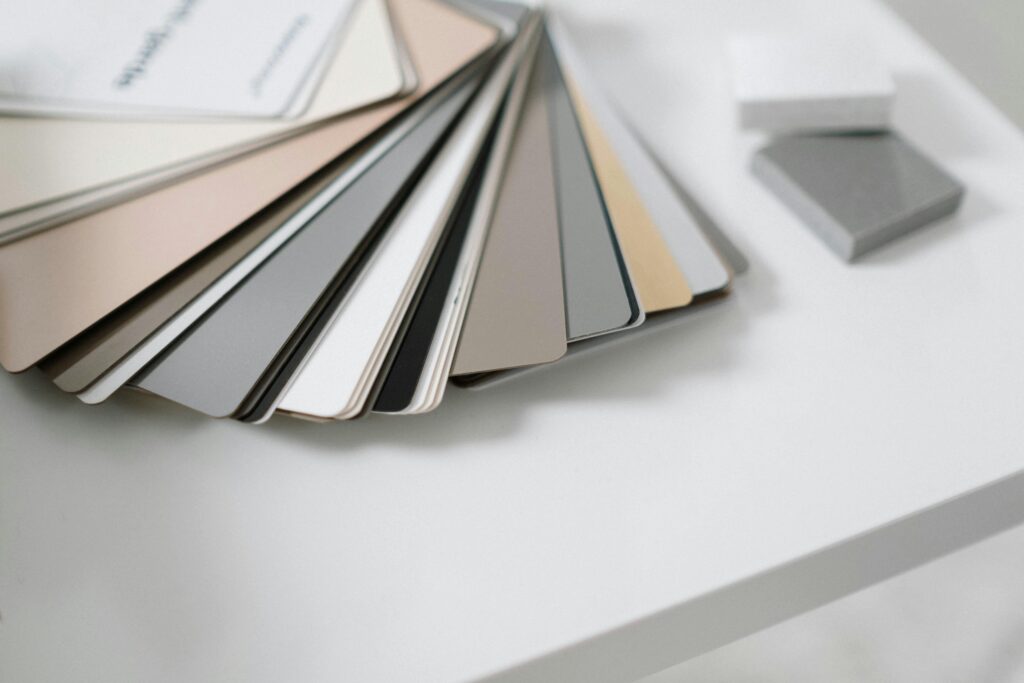
Your wedding website color palette should reflect your setting while keeping text easy to read.
Color plays a powerful role in how guests emotionally respond to your website. Soft, natural tones tend to feel calming and inviting, while brighter hues add energy and excitement. The key is choosing colors that reflect your destination without competing with your content.
Ocean Blues, Aquas, and Seafoam Greens
Coastal tones feel calming and neutral. Use deeper shades for buttons and headings, with lighter hues as backgrounds. Small pops of coral or yellow add warmth and energy.
These shades naturally mirror the ocean and sky, making them a popular choice for beachfront celebrations. Layering multiple tones within the same color family creates visual interest without overwhelming the page. For example, a deep navy headline paired with pale aqua accents feels cohesive and intentional.
Sandy Neutrals and Soft Beige Tones
Neutral palettes create a versatile foundation for any style. Pair sand and ivory tones with a signature accent color for depth and contrast. This palette works especially well for couples who want a timeless look that won’t feel dated. Soft neutrals also allow photography, typography, and subtle design elements to stand out.
Sunset Palettes: Coral, Peach, and Blush
Warm sunset shades bring romance and softness to headers, dividers, and callouts. Gradients add dimension while keeping the overall look balanced. These colors are ideal for highlighting key moments or sections, such as countdowns or welcome messages.
Crisp Whites Paired with Coastal Accents
Bright white backgrounds improve readability and look great on mobile. Coastal accents like navy lines, aqua icons, or shell-inspired details tie everything together. White space is especially valuable on information-heavy pages. It gives the eye room to rest and ensures that schedules, travel details, and FAQs remain easy to scan.
How to Balance Color for Readability and Elegance
Follow these tips to ensure that your message is clear alongside your stylistic choices:
- Use light backgrounds with dark text.
- Limit your palette to two or three main colors.
- Apply accent colors consistently.
- Test contrast on mobile devices.
- Use color blocks to organize sections like schedules and FAQs.
Before launching your site, review it on multiple screens and in different lighting conditions. What looks perfect on a laptop may appear too bright or too muted on a phone. Small adjustments can make a significant difference in overall readability and polish.

Typography Tips for a Beach Wedding Website
Your font choices shape how guests experience your site. You’ll want to balance readability with style to ensure a clear experience for site visitors.
Serif vs. Sans-Serif Fonts for Coastal Themes
Serif fonts feel classic and romantic. Sans-serif fonts feel modern and are easier to read on screens. Many couples use serif fonts for headings and sans-serif fonts for body text.
Handwritten and Script Fonts for Beach Romance
Script fonts add warmth and personality, but they work best for names, headings, or short phrases. Avoid using them for long paragraphs.
Pairing Fonts for Clarity and Personality
Two fonts are usually enough. One for headings and one for body text keeps the design clean and consistent. If you add a third font, use it sparingly and with purpose.
Accessibility and Mobile Readability
Keep these tips in mind to ensure that all guests can access the information on your wedding website:
- Body text should be at least 16px.
- Keep paragraphs short and easily scannable.
- Use clear buttons and links.
- Add alt text to images to support the visually impaired.
- Test your site on phones and tablets before making it live.
Best Visual Elements for Beach Wedding Websites
Strong visuals can help you tell your story.
Using Engagement Photos vs. Destination Photography
Engagement photos add personality, while destination images show guests what to expect. A mix of both works best. Galleries or rotating images keep the site fresh and engaging.
Ocean, Shoreline, and Palm Imagery
Choose a small collection of impactful images, rather than filling every space. Wide landscapes, close-up details, and candid moments create balance. Use generic beach-themed imagery sparingly.
Illustrations, Line Art, and Subtle Animations
Simple illustrations and icons add style without clutter. Light animations like fade or hover effects enhance the experience when used properly.
Video Backgrounds
A video background can be beautiful, but it should be used sparingly. Always optimize for speed, mute by default, and provide a static option for mobile users.
Best Beach Wedding Website Ideas & Page Concepts
Creative extras can make your site a bit more engaging for your guests.
Welcome Pages that Feel Like a Vacation Invitation
Open with a warm message, a favorite photo, or a short video. Add a countdown and a brief introduction to your destination to set the mood.
Interactive Maps and Resort Directions
Custom maps with pins for venues, resorts, and airports make navigation easy. Downloadable resort maps are especially helpful for larger properties.
Travel Countdowns and Weather Tips
Countdowns, weather averages, and packing reminders help guests plan with confidence. Fun reminders keep excitement high.
Packing Lists and Dress Code Visuals
Printable packing lists and visual dress code guides help guests feel prepared. Photos or style boards remove guesswork for guests of all ages.
Local Recommendations and Travel Guides
Share favorite restaurants, excursions, spas, and activities. Group suggestions by day or location for easy browsing.
Accessibility and Support Resources
Include emergency contacts, accessibility notes, and a simple contact form. These details show care and can help everyone feel supported.
Final Tips for Creating a Beautiful, Stress-Free Beach Wedding Website
Ready to get started creating your very own destination wedding website? Focus on clarity, organization, and an excellent guest experience as you’re creating your beach wedding website.
Start Early and Update Often
Launch your site as soon as the save-the-dates go out. Update it regularly as details are confirmed, hotel blocks fill, and deadlines approach.
Think Like a Traveling Guest
Make it easy to find answers quickly. Clear navigation and direct links help guests feel confident while planning their trips.
Keep Design Cohesive with Your Wedding Aesthetic
Match your website colors and fonts to your invitations and decor. Consistency can help to create a clear, polished, thoughtful look.
Focus on Clarity, Not Perfection
A clear, friendly website is better than a perfect one that launches late. Prioritize usability and helpful information.
Start Creating Your Beautiful Beach Wedding Website Today!
Your destination wedding journey starts long before you arrive at the beach, and your website sets the tone. With the right details, design, and planning tools, you can create a space that keeps guests informed, excited, and stress-free.
Fill out our online wedding planning form to learn more about planning your dream destination wedding. One of our Certified Destination Wedding Specialists will reach out to you to talk about how we can help you build the celebration of your dreams, one step at a time.

About the Author

Maggie Sabin
Maggie started as the SEO Manager at DestinationWeddings.com in 2024, where she works to drive organic traffic and conversions while creating meaningful, SEO-optimized content for the website. Previously, Maggie's career spanned from Human Resources & Recruitment to teaching at international schools for almost 10 years. Maggie spends her free time traveling, learning new languages, reading non-fiction books, working out, going to the beach and spending time cuddling her dog, Lola!